
Blog
From medicine cabinet to makeup bag: Drugmakers turn medical research into skincare

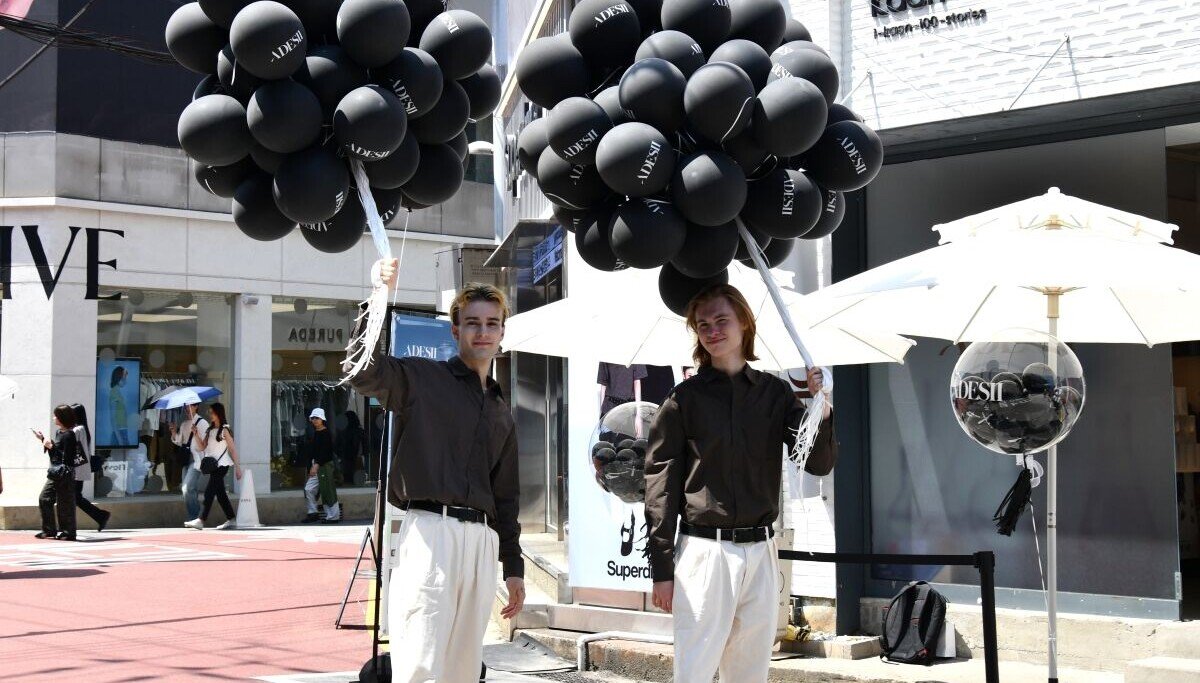
Seongsu-dong, the former industrial neighborhood turned magnet for Seoul’s pop-ups and fashion-forward crowds, has become a prime testing ground for brands chasing young consumers — including, twice this year, one from an unlikely source
Hanmi Science, the holding company of Hanmi Group, has used the neighborhood in Seongdong District, eastern Seoul, to launch Adesii, an antiaging skincare line built on the group’s pharmaceutical research
Adesii is part of a broader trend: Korea’s drugmakers are turning decades of medical research into cosmetics, looking to cash in on the K-beauty boom
Traditional pharmaceutical companies are expanding their cosmetics businesses by drawing on technologies and proprietary ingredients distilled from years of pharmaceutical research and development (R&D)
Yuhan also launched skincare brand The I Yu in May after establishing a subsidiary dedicated to cosmetics marketing. Dong-A Pharmaceutical is looking overseas with Fation, which rolled out to 55 Sephora stores in the United States last month
Behind the push is growing demand for dermacosmetics — or skincare products rooted in dermatological science. Consumers are increasingly looking beyond brand image to ingredients and efficacy, giving pharmaceutical companies an advantage built on decades of research and technical expertise
Dongkook Pharmaceutical, which entered the cosmetics business relatively early, has built its flagship beauty brand around an ingredient already used in one of its best-known medicines
Centellian24, launched in 2015, uses TECA, a standardized extract of Centella asiatica also found in the company’s Madecassol wound treatment, as a key ingredient. The brand name combines a reference to the plant’s name with the idea of providing skin science solutions 24 hours a day
Sales of cosmetics and health supplements, including Centellian24 products, reached 208 billion won ($155 million) in the first half of this year, accounting for 40.8 percent of the company’s total product sales
Daewoong Pharmaceutical has also turned an ingredient developed through its own research into a key selling point
The company uses DW-EGF, or epidermal growth factor, which it has researched for more than 30 years, in its dermacosmetics brand Easydew. The brand began in 2006 as a product for hospitals and clinics before bringing the company’s pharmaceutical technology into everyday skincare
DW-EGF is a protein that helps skin cells grow and regenerate
Easydew’s sales from January to July 2025 surpassed 100 billion won
Dongwha Pharm has taken another route: borrowing the familiarity of a well-known medicine
The company launched cosmetics brand Fusidyne in 2021, taking inspiration from the name of its Fucidin wound treatment, Korea’s medicine cabinet staple since 1970. It revamped Fusidyne in July, five years after the brand’s debut
“The revamp is intended to make its identity as a dermacosmetics brand unmistakable,” a Dongwha Pharm representative said. “The new Fusidyne 8 Barrier product focuses on skin barrier care.”
Other companies have built that philosophy into their brand names
Hanmi Science’s Adesii takes its name from a combination of “advanced,” “derma” and “science,” reflecting its goal of extending pharmaceutical technology into skin science
Yuhan’s The I Yu plays on iyu, the Korean word for “reason” to reflect the idea that every change in the skin has an underlying cause. The English spelling was chosen with overseas expansion in mind
Dong-A Pharmaceutical launched Fation in 2019, intending to apply its experience researching skin conditions to everyday skin care. The name combines the Latin word “fati,” meaning fate, with the English word “on.” The company’s cosmetics sales nearly doubled from 13.2 billion won in 2023 to 24.6 billion won last year
Overseas, some pharmaceutical companies have already grown their cosmetics operations beyond their traditional drug businesses
French health care group Pierre Fabre, which began as a pharmaceutical company, generated 1.7 billion euros ($1.97 billion) in sales from its health and beauty business, including Avène, last year. That surpassed the 1.4 billion euros generated by its pharmaceutical operations
“Pharmaceutical companies’ R&D capabilities, changing consumer attitudes toward skin care and the popularity of K-beauty have come together to make dermacosmetics a new growth business for drugmakers,” an industry source said. “Alongside the longer-term growth engine of new drug development, cosmetics can provide a stable source of cash flow and allow companies to expand their business from treating diseases to everyday care.”
BY CHOI EUN-KYUNG [lee.jiwon10@joongang.co.kr]