
Blog
LVMH Q3 Fashion and Leather Goods Revenue Unexpectedly Falls 5%, Dealing Another Blow to Luxury Recovery Momentum — BigGo Finance

LVMH Q3 Fashion and Leather Goods Revenue Unexpectedly Falls 5%, Dealing Another Blow to Luxury Recovery Momentum
Add preferred source
Global luxury leader LVMH reported third-quarter results that fell short of expectations, with its fashion and leather goods division posting an unexpected 5% revenue decline—far worse than the 1.8% drop analysts had forecast—while group-wide revenue grew just 1%. Weak Chinese demand and consumer backlash stemming from Louis Vuitton’s trademark lawsuit against Chinese tea brand Molly Tea were the two primary drags on performance. While jewelry and Sephora retail operations provided some support, their growth momentum also slowed. Following the earnings release, LVMH’s ADR fell 2.5%, and its Paris-listed shares have dropped roughly 40% this year, with European luxury groups collectively shedding approximately €330 billion (about $368.8 billion) in market value. Market attention now shifts to earnings from Hermès and Kering next week to determine whether the downturn is an industry-wide problem.
Key Elements
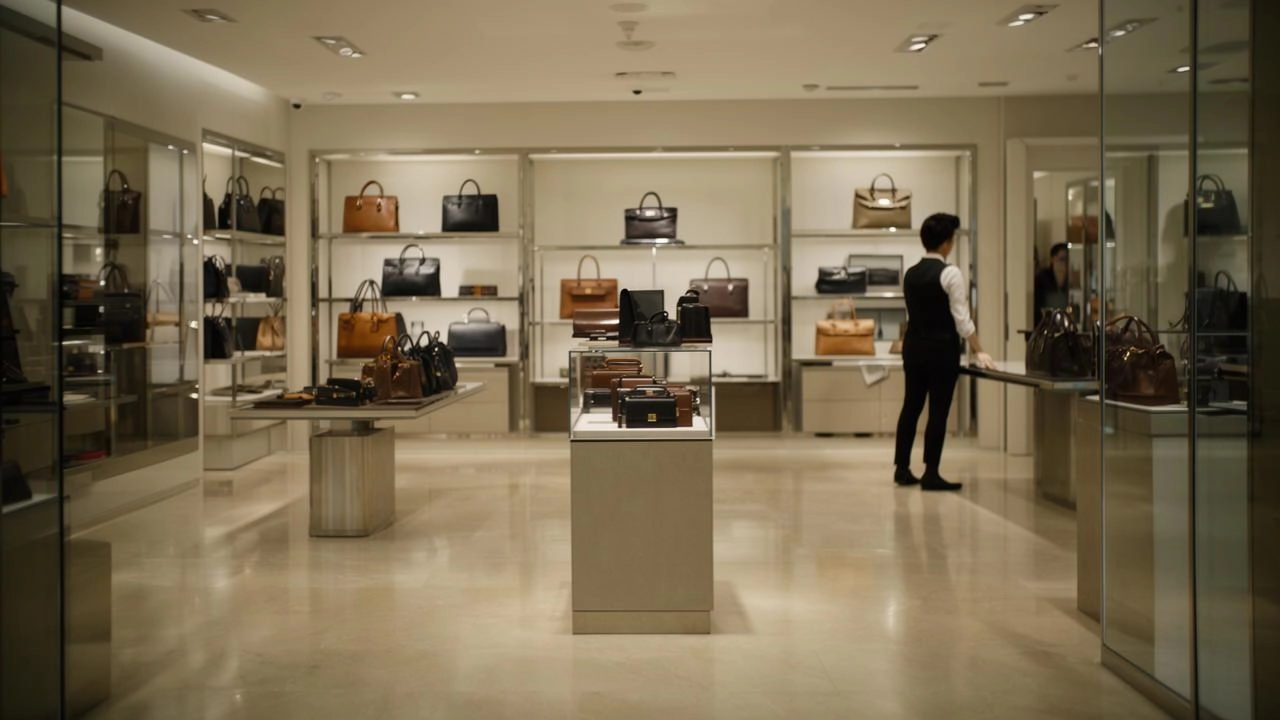
Global luxury leader LVMH once again poured cold water on the market with its third-quarter earnings report. Revenue at its largest business unit, fashion and leather goods, unexpectedly fell 5%—far worse than the 1.8% decline analysts had projected—snuffing out the recovery signs that had only just emerged in the previous quarter. Weighed down by weak demand in mainland China and consumer backlash over a trademark lawsuit between flagship brand Louis Vuitton and Chinese tea brand Molly Tea, the French conglomerate posted overall revenue growth of just 1%, below the 1.3% the market had expected.
LVMH reported Monday that third-quarter group revenue totaled €18.5 billion (approximately NT$660 billion), up 1% year-over-year after adjusting for currency effects and acquisitions, falling short of the 1.3% consensus estimate compiled by Visible Alpha. Within that, the fashion and leather goods division—which contributes nearly half of group revenue—saw organic revenue decline 5% from a year earlier, nearly three times the 1.8% drop the market had anticipated. This business had only just recorded its first growth in two years during the previous quarter, and the renewed contraction left investors deeply disappointed.
Following the earnings release, LVMH’s ADR closed down 2.5% in New York trading, with after-hours losses briefly widening to nearly 3%. The Paris-listed shares have fallen roughly 40% this year, shrinking the company’s market capitalization to approximately €190 billion (about NT$6.8 trillion)—down more than half from its 2023 peak. If the slide continues, this year could mark LVMH’s worst performance since the 2008 financial crisis.
Weak Chinese Demand, Trademark Lawsuit Compounds the Pain
From a regional perspective, Asia excluding Japan posted a 5% revenue decline in the third quarter, making it the only region to contract, dragged down primarily by weak demand in mainland China. The U.S. market grew 5%, slightly below the 6% recorded in the second quarter
LVMH Chief Financial Officer Cécile Cabanis acknowledged during the analyst call that Chinese consumer confidence took a hit in the third quarter from a sharp deterioration in the macroeconomic environment, which had a tangible impact on discretionary spending. “Asia was particularly affected in the third quarter by a sharp deterioration in Chinese consumer confidence driven by macroeconomic factors, which had a material impact on discretionary spending,” she said.
Meanwhile, Louis Vuitton filed a trademark infringement lawsuit against Chinese tea brand Molly Tea this summer and won, but the victory sparked a strong backlash among Chinese consumers on social media. Some argued that the world’s largest luxury group should not sue a much smaller domestic operator, while others criticized LV’s claimed four-petal flower design as bearing similarities to traditional Chinese motifs.
Jefferies analyst James Grzinic believes the incident appears to have had a considerable impact on LV’s sales trajectory in China, with the brand responding to the controversy through a low-key marketing strategy
Cabanis said it was difficult to precisely quantify the lawsuit’s impact on sales, but the consumer backlash “had a negative impact at least at the beginning of the quarter.” She also disclosed that LV was affected by a temporary logistics issue during the quarter, which shaved approximately one percentage point off revenue growth
On the outlook for the Chinese market, Cabanis struck a relatively cautiously optimistic tone. She believes the changes in China’s consumer environment and macroeconomy are merely delaying the recovery, with no structural or specific issues impeding a rebound—”it just needs a bit more time.”
Jewelry and Retail Provide Support, Though Growth Momentum Also Slows
Jewelry demand and beauty retailer Sephora’s performance were among the few bright spots this quarter, helping keep group revenue in positive territory. Third-quarter revenue at the watches and jewelry division and the Moët Hennessy wine and spirits division both grew 6%, while the selective retailing division grew 8%, driven primarily by Sephora’s strong performance
However, Royal Bank of Canada analyst Piral Dadhania noted that this earnings report confirms the already fragile recovery momentum this year has stalled. Notably, the jewelry and watches business—which had been relatively resilient—also showed signs of slowing growth, with third-quarter organic sales up 6%, down from 9% in the first half, suggesting weakness is spreading beyond the core fashion business.
Dior’s new creative director Jonathan Anderson has seen his women’s collections well received by customers. Cabanis said new handbag lines still need time to resonate with consumers, but Dior has maintained sales growth this year. On second-half profitability, she said the group is improving efficiency, though short-term cost cuts cannot drive sales. “I’m not sure we can fully offset the impact of short-term revenue declines, but we will continue to work on it,” she said.
Luxury Winter Far From Over, Market Value Down Over NT$11 Trillion
As the world’s leading luxury group with brands including Louis Vuitton, Dior, and Tiffany under its umbrella, LVMH’s earnings have long been viewed by investors as a bellwether for luxury consumption demand. This quarter’s disappointing results cast a further shadow over the industry’s recovery prospects
The luxury sector has been in a downturn for nearly four years, with major European luxury groups collectively shedding approximately €330 billion (about NT$11.8 trillion) in market value this year. Recent Middle East conflicts, geopolitical turmoil, and inflationary pressures have further eroded consumer confidence and purchasing power among would-be luxury buyers. Tax audits targeting high-net-worth individuals in China have become the latest headache for luxury brands, compounded by the aftereffects of the Iran conflict and signs of slowing U.S. consumer spending—a confluence of adverse factors.
According to analysis by The Wall Street Journal, luxury demand is unlikely to improve in the near term. The multi-year demand boom in the Chinese market has faded, while Western middle-class consumers are increasingly squeezed by rising prices, weakening their confidence in purchasing high-end goods. Most major brands may struggle to achieve sales growth
Market attention now turns to earnings from other heavyweight luxury players. Hermès and Gucci parent Kering will report results next week, which will further test whether this downturn is an industry-wide problem or an LVMH-specific predicament. If both groups also deliver bleak results, selling pressure on luxury stocks could intensify
For investors, LVMH’s earnings send a clear signal: the luxury industry’s road to recovery remains bumpy, and the structural adjustment in the Chinese market, geopolitical risks, and the erosion of trust between brands and consumers will all be difficult obstacles to overcome in the near term