
Blog
Skincare trends: how nurses can guide children and young people

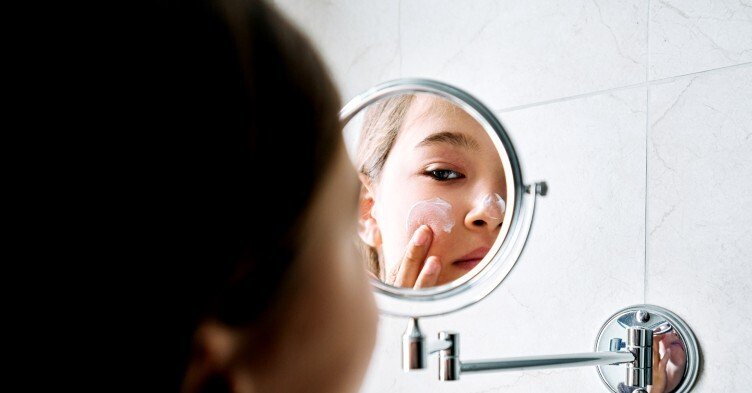
Given thephysiological differences in the skin of children and young people compared to adults, elaborate multi-step skincare routines – which have become increasingly popular on social media – can risk damaging the skin barrier rather than protecting it
Here, pharmacist and healthcare lawyer Thorrun Govind explains how nurses can steer young people towards something simpler and more age appropriate
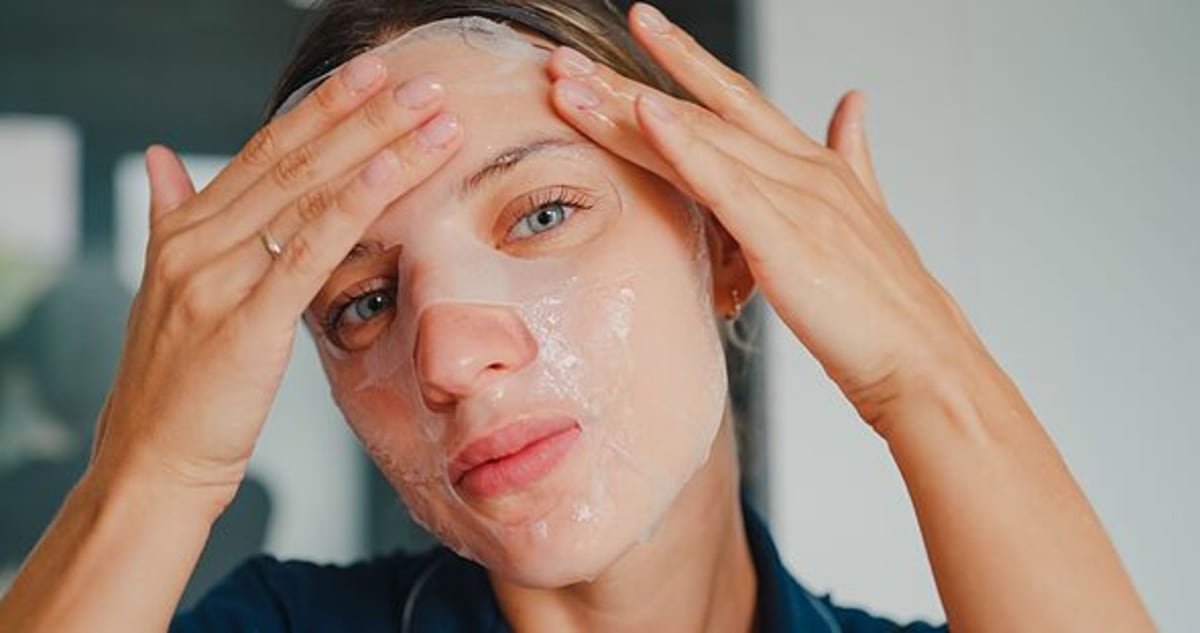
Not so long ago, daily skincare routines were mostly associated with adults. Now, I am increasingly seeing children and young teenagers being drawn into complicated skincare routines, often influenced by what they see on social media
Through these skincare routines, children are being exposed to products containing active ingredients without necessarily understanding what those ingredients do, why they are being used, or whether they are appropriate for young skin
What starts as an interest in looking after their skin can quickly become a routine involving multiple products, sometimes bought because they are popular online rather than because they are needed
Related Article:
There is also an important role for nurses here. Parents may seek advice because they are unsure of what their child needs, or because their child is asking for products they have seen on social media. This is an opportunity to have a sensible conversation about skin health, what different ingredients do and when a product is unnecessary or potentially irritating
A 2025 study published in Pediatrics analysed skincare routines shared on TikTok by creators aged seven to 18. The researchers found an average of six products per routine. Among the 25 most-viewed videos, there were an average of 11 potentially irritating active ingredients, while only around a quarter included sunscreen.1
This matters because young people may be copying routines without understanding why particular products are being used. Retinoids, exfoliating acids and other active ingredients, for example, can cause dryness and irritation when used unnecessarily, too frequently or alongside other potentially irritating products, and may compromise the skin barrier.2,3
The British Association of Dermatologists has also called for clearer labelling on skincare products containing ingredients that may be unsuitable for children.4
This is particularly relevant as some ingredients commonly associated with adult skincare, such as retinoids, do have legitimate medical uses in teenagers, including the treatment of acne
The issue is the difference between using an active ingredient for a clinical reason and routinely using it as part of an anti-ageing skincare regime.4
Youthful skin typically presents with a thick epidermis, normal collagen content and healthy vascularity. As we get older – typically in our mid-20’s – our collagen production begins to decline.5
The message should not be that young people do not need to care about their skin. It is about helping them understand that more products do not necessarily mean healthier skin, and that skincare should be appropriate for their age and individual needs
For most children and younger teenagers, skincare does not need to be complicated. A gentle cleanser, moisturiser where needed and appropriate sun protection, such as at least SPF 30 with UVA protection, are a sensible starting point.6 They do not need a ten-step routine simply because an influencer they have seen online has one
This is reflected in guidance published by the Cosmetic, Toiletry and Perfumery Association in 2025. Its skincare guide, developed with consultant dermatologist Dr Anjali Mahto, advises parents and carers to ‘keep it simple’, recommending gentle cleansing, moisturising where needed and sun protection for young people. The guidance also highlights the lack of need for complex routines or anti-ageing products in young people.6
Related Article:
How can nurses help?
I always start with questions. What are they trying to treat? What are they already using? How often are they using it? Have they recently introduced anything new? And where did they hear about the product?
Social media is now a significant is to dismiss young people’s interest in it. For many teenagers, skincare is tied to confidence and self-esteem. Telling a teenager that their concerns are silly or that they should not care about their appearance is unlikely to make them listen to our advice
We need to meet them where they are. That means taking their concerns seriously, while helping them understand what their skin actually needs and where social media advice may not tell the whole story
For nurses, that can be an important part of the conversation. We can give practical, evidence-based advice without making young people feel judged for taking an interest in their skin
We can also help them distinguish between healthy skin and the often-unrealistic version of skin presented online. We can explain what ingredients do, identify unnecessary products and encourage a simpler routine
A request for skincare can also be an opportunity to identify a genuine skin condition. Acne, eczema, contact dermatitis and infections can all initially present as a cosmetic concern. Persistent acne, for example, should not simply be dismissed as something teenagers have to put up with
Related Article:
As healthcare professionals, we cannot control what children see online. But we can make sure that when they come to us with questions, they get advice based on skin health rather than an algorithm
Thorrun Govind is a pharmacist, healthcare lawyer and former Chair of the Royal College of Pharmacy
References
- Hales M, et al.Pediatric Skin Care Regimens on TikTok. Pediatrics 2025; 156: e2024070309.
- Narsa AC, et al. A Comprehensive Review of the Strategies to Reduce Retinoid-Induced Skin Irritation in Topical Formulation. Dermatol Res Pract 2024; 2024: 5551774.
- How to safely exfoliate at home. https://www.aad.org/public/everyday-care/skin-care-secrets/routine/safely-exfoliate-at-home
- Saleh A. BAD advocates for skincare warnings. https://aestheticsjournal.com/news/bad-advocates-for-skincare-warnings/
- Pagani A, et al. Iron Chelators & HIF-1α: A New Frontier for Skin Rejuvenation. https://www.researchgate.net/figure/Differences-between-young-and-aged-skin-a-Youthful-healthy-skin-presents-thick_fig1_337549602
- Cosmetic, Toiletry and Perfumery Association.SkinCare Simplified – A Parent’s Guide. https://www.ctpa.org.uk/press/skincare-simplified-a-parents-guide-8724