
Blog
Why may vitamin C serum not be enough for your skin? Know what your skincare routine is missing


- News
- lifestyle
- beauty
- Why may vitamin C serum not be enough for your skin? Know what your skincare routine is missing
Why may vitamin C serum not be enough for your skin? Know what your skincare routine is missing
1/7
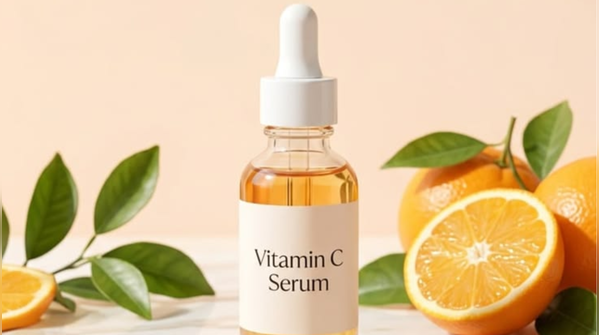
Is your vitamin C serum losing its effect?
As Indian cities choke on pollution, dermatologists and researchers are turning to a lesser-known antioxidant, gallic acid, to help skin cope with stress that vitamin C alone can no longer handle. The Indian skincare market is flooded with new cosmetics and beauty products, while the internet is overflowing with new ideas, tips, and hacks for great skin. Somewhere amidst the fancy packaging, viral trends, and discussions about pollution levels, people have forgotten a basic truth: a simple, well-formulated product chosen with awareness of one’s skin type can serve them far better than the most beautifully packaged product on the shelf. Skin only needs what is right for its type.

2/7
What your skincare routine could be missing
Skin is one of the most important organs of the human body, and yet it is treated like an afterthought. Across cities in India, pollution is rising rapidly, with some places experiencing high pollution levels almost every season and not just during winter. To survive pollution, people buy air purifiers for their homes and fill the corners with plants. But what about the skin, which is exposed to the same air every single day? Vitamin C is great for the skin, but is it truly enough to protect it?
(Image Credits: Pinterest)
3/7
The scale of the problem
India’s pollution crisis is no longer only about lungs and breathing difficulty; it is becoming a skin issue too. According to the 2025 World Air Quality Report, India’s average PM 2.5 concentration stood at 48.9 µg/m³ in 2025, nearly ten times higher than the WHO’s recommended annual limit of 5 µg/m³. This placed India as the sixth most polluted country in the world. Delhi continues to be counted among the most polluted cities on the planet, with air quality regularly slipping into the “unhealthy” zone through the winter months and increasingly, beyond winter as well. For years, such data has mostly been discussed in the context of heart and lung health. But a growing body of dermatological research shows that skin, the body’s largest organ and its very first line of defence against the outside world, absorbs this damage too.
(Image Credits: Pinterest)
4/7
How pollution actually damages skin
The mechanism behind the above is called oxidative stress. When skin encounters fine particulate matter, ozone, and other airborne pollutants, it triggers an overproduction of reactive oxygen species (ROS), which are unstable molecules that attack healthy skin cells. Research on skin ageing notes that when skin is exposed to urban air pollution, it activates cellular detoxification processes. Over time, this can cause DNA and protein damage, raise ROS levels, and break down lipids. The visible result is an impaired skin barrier, pigmentation, wrinkles, and reduced hydration. Pollution has also been linked to inflammation and disruption of the skin’s natural microbiome, compounding the damage the longer a person is exposed. In simple terms, every hour spent outdoors in polluted air quietly chips away at the skin’s natural defence mechanism. Often, this happens long before any dullness or fine lines become visible to the naked eye.
(Image Credits: Pinterest)
5/7
Where vitamin C starts to struggle
Vitamin C, or ascorbic acid, has been the gold standard of antioxidant skincare for good reasons. It neutralises free radicals and supports collagen production. But it carries a well-documented weakness: instability. Vitamin C breaks down quickly when exposed to light, heat, and air. In humid, high-pollution environments, its potency can degrade before it even gets the chance to work. Once oxidised, vitamin C can go from helpful to counterproductive for the skin.However, this need does not become a reason to stop using vitamin C. On the contrary, this is the reason why dermatologists are increasingly recommending the innovative solution of pairing vitamin C with more stable antioxidant partners rather than relying on it alone.
(Image Credits: Pinterest)
6/7
Welcoming gallic acid in the market
Gallic acid is an antioxidant that is naturally occurring in grapes, berries, tea leaves, and oak bark. It is currently generating heightened interest in the skincare industry due to its capacity to protect skin from environmental oxidative damage. According to scientific research, gallic acid is an effective way of neutralising free radicals. It has been shown to reduce skin inflammation and pigmentation as well as promote faster wound healing. In a 2019 study, it was discovered that Gallic Acid gel decreased one of the major indicators of oxidative skin damage by 34 per cent.
(Image Credits: Pinterest)
7/7
Your vitamin C serum can’t do it all
For better understanding, we approached Dr Logeshwari J, Consultant Dermatologist, Narayana Health City, Bangalore, who explained, “Gallic acid is also being seen as an antioxidant that is stable enough to coexist with other antioxidants. It is a compound that possesses many advantages, including antioxidant properties. It is a compound that possesses many advantages, including antioxidant, anti-inflammatory, and antimicrobial properties.”As pollution, heat, and oxidative stress continue to shape everyday life, skincare may need to move beyond a single hero ingredient. Gallic acid is still an emerging area of research, but its stability and antioxidant potential make it an ingredient worth watching as the industry looks for smarter ways to protect the skin.
(Image Credits: Pinterest)
Follow Us On Social Media
Photostories
MORE FROM ETIMES
life & style
Baby NamesIndian Leafy VegetablesHarsh GoenkaChronic StressAishwarya Rai