
Blog
BASF


Fashion is built on novelty. As seasons turn and styles shift, garments once deemed desirable can quickly fall out of favour — and when they do, the prognosis is rarely good. Nearly four-fifths of discarded clothing end up in a landfill or incinerator. Retailers, as well as consumers, have an important role in addressing this throwaway culture; but responsibility also rests with the companies that design, make, and supply the materials upon which the fashion industry depends.
BASF, one of the world’s largest producers of nylon 6 and other plastics, is exploring ways to lessen reliance on virgin fossil-based inputs, developing techniques to transform rarely recycled waste streams, like textile waste, into clothing, and investigating whether some fabrics can be reduced to their chemical building blocks and remade into new garments over and over again
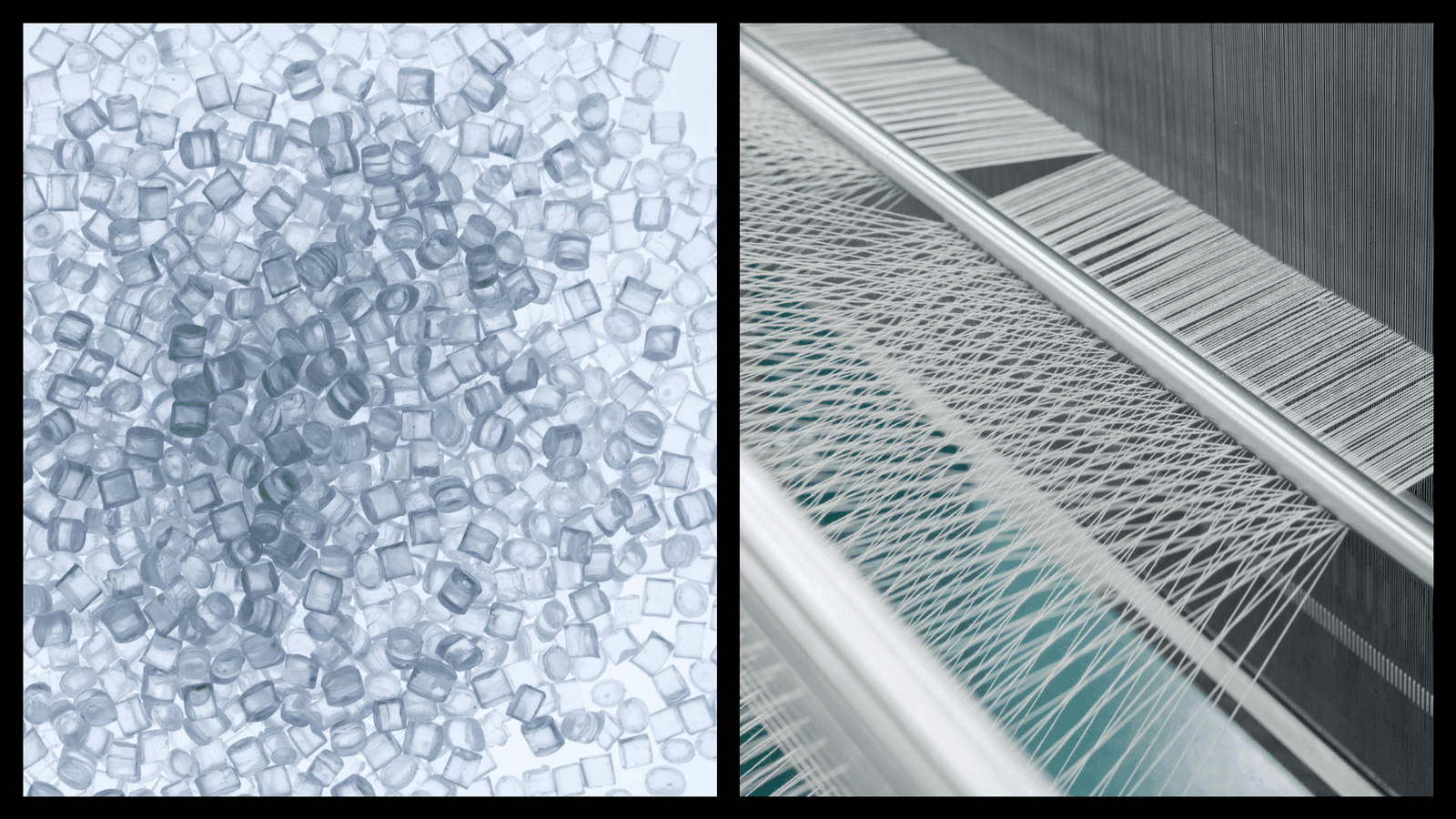
Nylon 6 is a type of plastic also known as polyamide 6 (PA6). It possesses high tensile strength and elasticity and is used as a synthetic fibre for clothing, as well as for applications in the automotive, aircraft and electronics industries. The majority of polyamide 6 is conventionally derived from a fossil fuel base
True textile-to-textile recycling
Supermarket donation bins piled high with jackets, trousers, dresses, and shirts offer a sense of optimism — the belief that unwanted outfits might, one day, be transformed into new attire. In reality, closed loop recycling like this remains exceptionally rare. According to BCG analysis, less than 1% of globalrecyclable clothing was re-made into textiles in 2024
Technical constraints are part of the problem. Modern clothes are often manufactured from blends of fibres rather than a single material, mixing nylon, polyester, cotton, elastane and other fabrics. Traditional mechanical recycling systems struggle to identify and separate these different components cleanly and at scale — an issue as each unique material requires a distinct recycling process
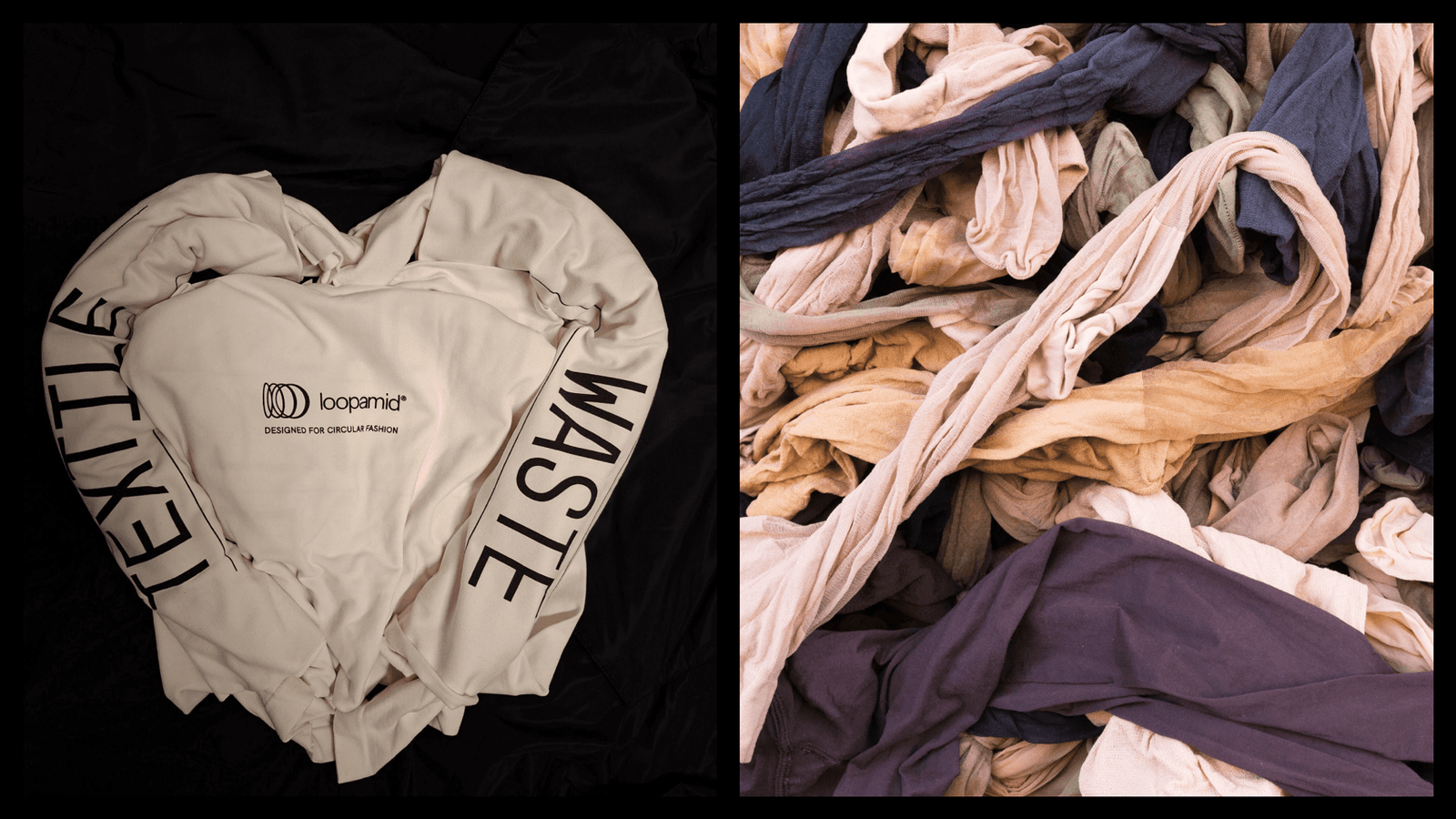
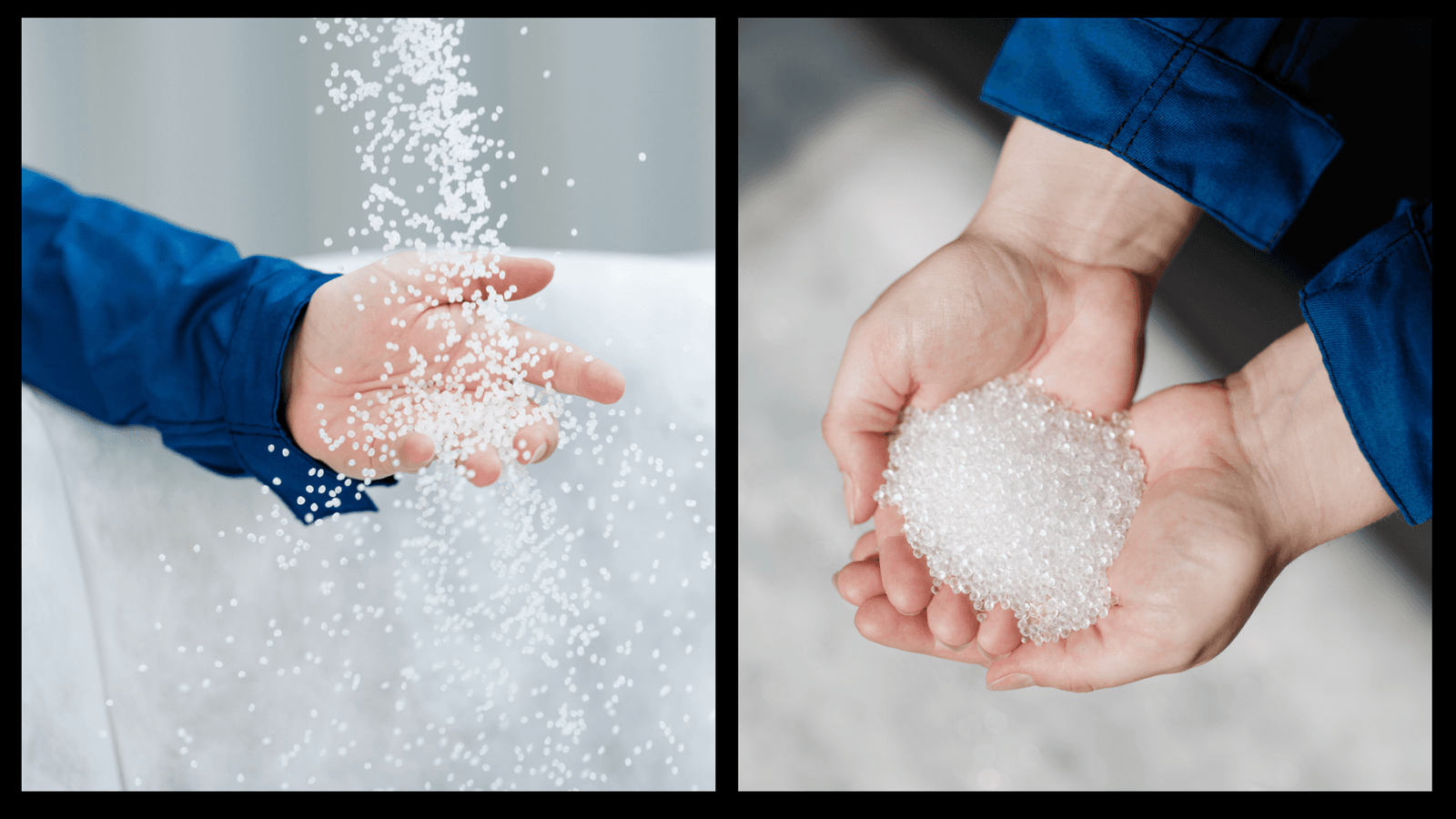
It was against this background that BASF developed loopamid®, a recycled material produced by chemically breaking polyamide 6 textile waste into its original constituent parts. “Polyamide 6 is basically a very long chain of molecules,” explains Dag Wiebelhaus, head of global product innovation for monomers at BASF. “Using a technique called ‘depolymerisation,’ we’re able to take that chain apart into its original building unit and then build it back up again.”
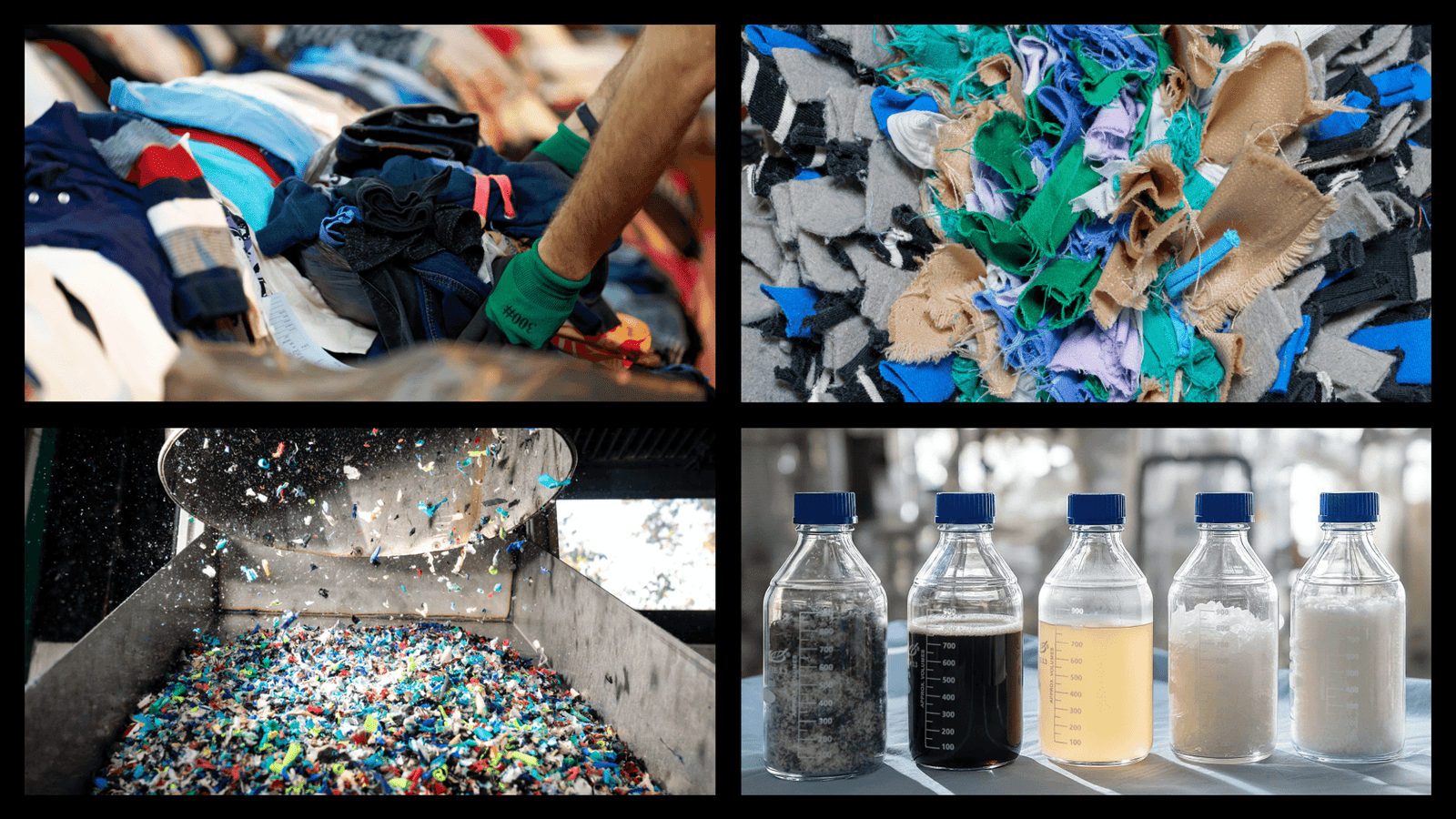
Unlike conventional mechanical recycling, the technology behind loopamid is designed to handle the complex composition of modern clothing. The technology works with items containing multiple fibres, dyes, and surface treatments, selectively recovering the polyamide 6 while separating out the rest. The result, Wiebelhaus says, is recycled polyamide 6 that is “chemically completely identical” to virgin material.
Credit: BASF and Getty Images
How to solve the infrastructural collection challenges
BASF has piloted loopamid in collaborations with customers, producing garments made entirely from recycled fibres, including trims and fastenings. Because these garments are wholly made from polyamide 6, they could, in principle, be broken down again and rebuilt through depolymerisation — provided they can be collected and sorted accordingly
Therein lies a challenge. Systems to collect and process discarded clothing by fibre type remain limited. Sorting is a particular bottleneck, Wiebelhaus says, with “almost no infrastructure” in place to do it at scale. Most material separation is still conducted manually, making it slow and expensive, and though automated technologies capable of identifying and separating textiles by type exist, they are yet to be widely deployed.
This infrastructural gap limits how farloopamid can currently go. While BASF’s chemistry is designed to cope with the complexity of real garments, it still needs to be fed mostly the right fibre. The input must consist of at least around 80% polyamide 6, which means a degree of pre-sorting is unavoidable. In the absence of large-scale post-consumer processing, BASF’s first loopamid facility currently relies also on cutting-table waste from garment production, which provides a more readily available and organised material stream.
Credit: BASF and Getty Images
loopamid quality checks out
For companies already working with loopamid, one thing seems clear: material quality is not the challenge. Fulgar, an Italian synthetic fibre producer, buys polymer chips from BASF, spinning them into polyamide yarns for use across a number of clothing categories. According to Daniela Antunes, the company’s marketing manager, loopamid has slotted into that process without issue. “The quality of recycled yarns obtained throughloopamid is superior when compared to mechanical recycling. This is because the chemical process breaks the material down to almost its original raw state, allowing the production flow to restart from the very beginning,” she says. “We are able to produce yarns with the same strength, elasticity, and durability as conventional virgin polyamide.” Mechanically recycled fibres, she adds, typically struggle to meet those benchmarks.
From end-of life tyres to yarn: The ChemCycling® solution
BASF also offers another chemically recycled polyamide that can help close the loop when it comes to fashion recycling, namely Ultramid® Ccycled®. To produceUltramid Ccycled, end-of-life vehicle tyres are processed into liquid feedstock through pyrolysis. The recycled feedstock replaces the fossil feedstock needed for the polyamide in amass balance approach. This means that an equivalent amount of fossil material was removed from the overall production process.
BASF’s long-standing customer VAUDE, an outdoor gear brand, uses Ultramid Ccycled to manufacture durable, high-performance trekking pants that meet the functional requirements of demanding all-weather use while incorporating chemically recycled raw materials. The polyamide is processed in VAUDE’s existing textile and garment production processes, enabling robust fabrics that are designed for longevity, repairability and everyday wear. By integrating this material into a commercial product line, VAUDE demonstrates how chemically recycled feedstock can be translated into tangible consumer goods.
The chemical recycling technology underpinning Ultramid Ccycled is used for plastic waste streams that cannot be mechanically recycled for technical, economic or environmental reasons and would otherwise be incinerated. Life-cycle assessments show that using chemically recycled feedstocks in production can result in lower overall emissions compared with virgin fossil inputs. They note, however, that outcomes depend on factors such as the avoided waste incineration, the energy mix used in processing, and end-of-life scenarios.
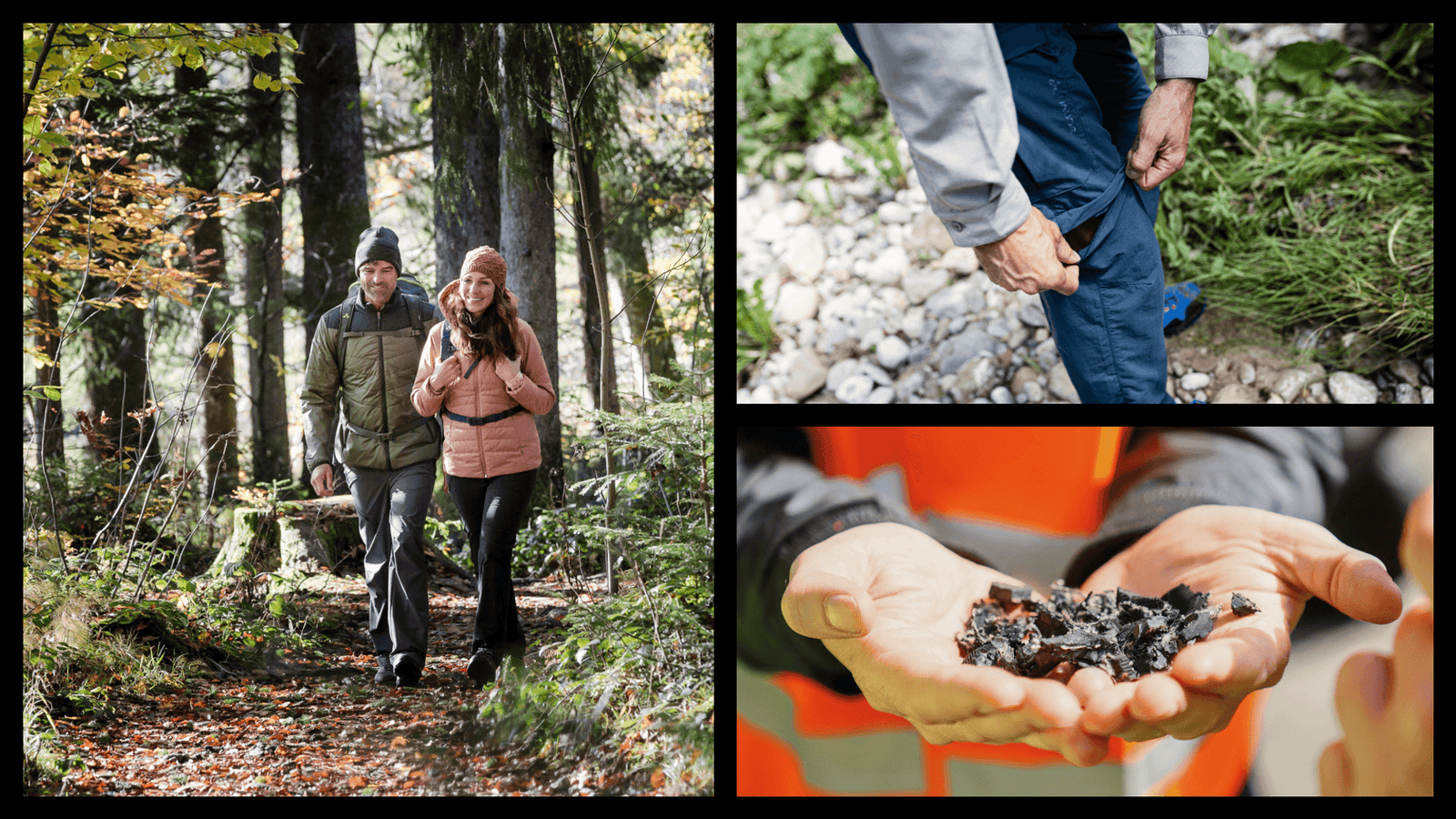
Credit: VAUDE-Attenberger and BASF
An important contribution
More broadly, BASF recognises that chemical recycling technologies — enabling products like loopamid and Ultramid Ccycled — are not a complete answer to fashion’s waste problem, but rather serve as a complement to established, though insufficient, recycling routes
Credit: BASF
In its most advanced forms, chemical recycling depends on new and effective collection and sorting systems, as well as changes in how garments are designed and disposed of. Consumer behaviour is a critical variable, as well as environmental considerations. Recycled materials currently come at a premium, Wiebelhaus acknowledges, meaning shoppers often pay more, even if those cost differences narrow as volumes increase.
What chemical recycling offers, then, is not a silver bullet but an important contribution to reducing the amount of plastic that is incinerated or goes to landfill. If overconsumption and overproduction can be addressed and the systems around collection, sorting, and scale are put in place, chemistry can help move fashion even closer to a circular model, reducing its footprint, and giving more unwanted clothes a viable second life.
A commercial production by

Paid and Presented by
Building a more sustainable future requires change. This is especially true for BASF, one of the world’s largest chemical companies. Our innovations and our people are helping customers around the globe move towards this future. Driven by science and innovation, we are developing breakthrough technologies to support and enable the transformation of our customer industries