
Blog
Demna Expands His Gucci Universe

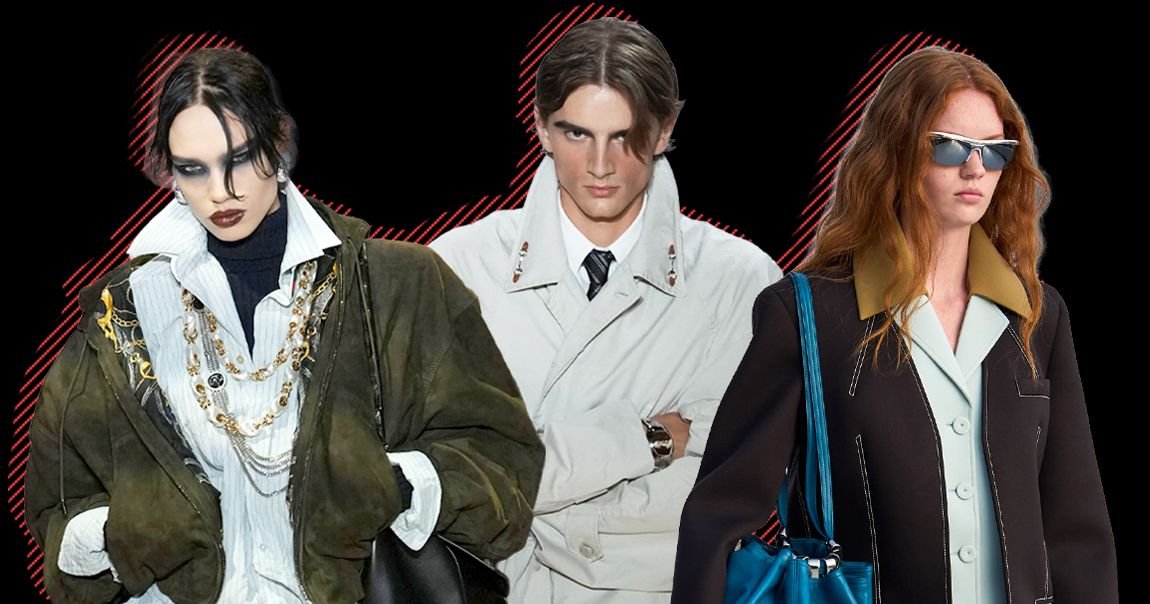
Photo-Illustration: by The Cut; Photos: Courtesy of Gucci and Moschino
Demna called his spring collection for Gucci “The Store Show,” and it had multiple meanings. The set was literally a mockup of a design that he has been working on for well over a year, with dark wood paneling, travertine details and display cases filled with merchandise. The models made their entrance through the front door, some behaving like haughty customers. The windows, by some light magic, changed from day into evening, and there was even a downpour.
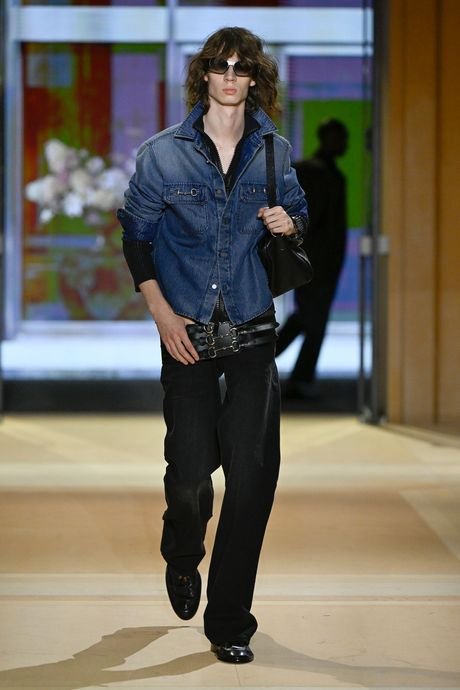
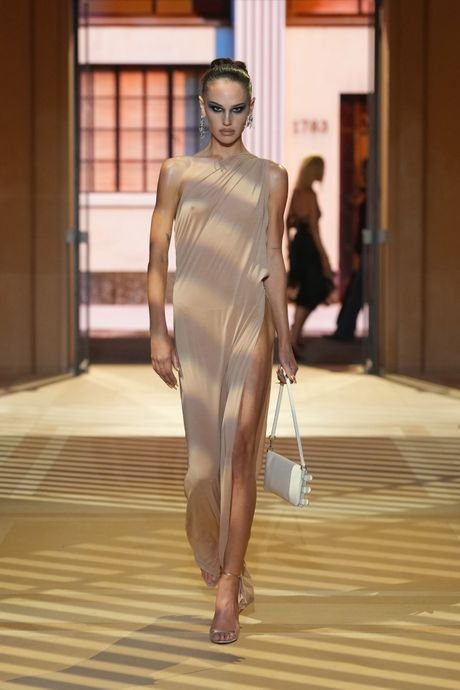
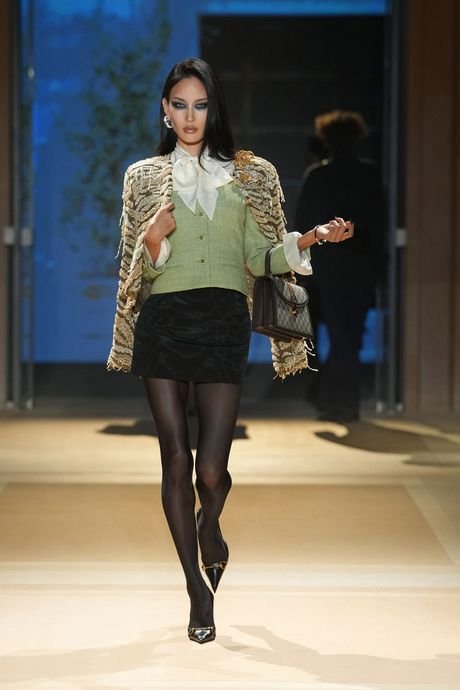
Many of the models, around 80 in all, attempted a parody of the rich and privileged—guys in loafers, without socks, and white jeans, their hair in the floppy style of an English public school; lacquered matrons in classic coats, a bag hooked over an arm. (I barely recognized Amanda Harlech, a former editor who worked with Karl Lagerfeld for years at Chanel, in a prim white cotton shirtdress, bouffant hair and bug-eyed shades.). Other models were slackers and rebels in tight jeans with extra-wide belts on their hips, or tartan prep-school skirts worn erratically with striped shirts and bombers, or simply hot, skinny girls in clingy gowns with metallic nails and raccoon eyes.
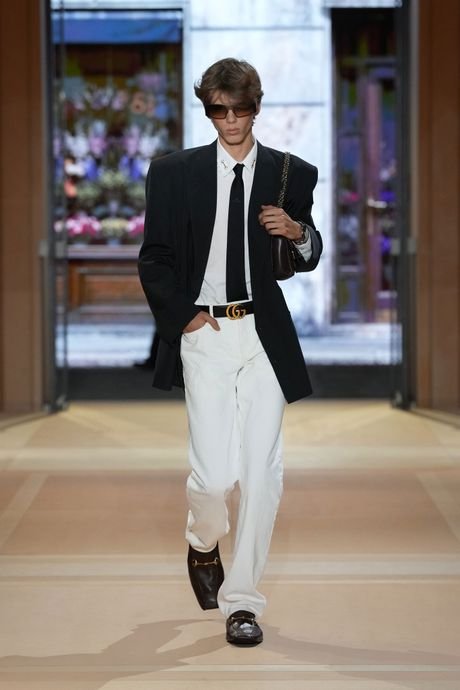
From left:Photo: Alessandro Lucioni / Courtesy of GucciPhoto: Giovanni Giannoni/WWD via Getty Images
From top:Photo: Alessandro Lucioni / Courtesy of GucciPhoto: Giovanni Giannoni/WWD via Getty Images
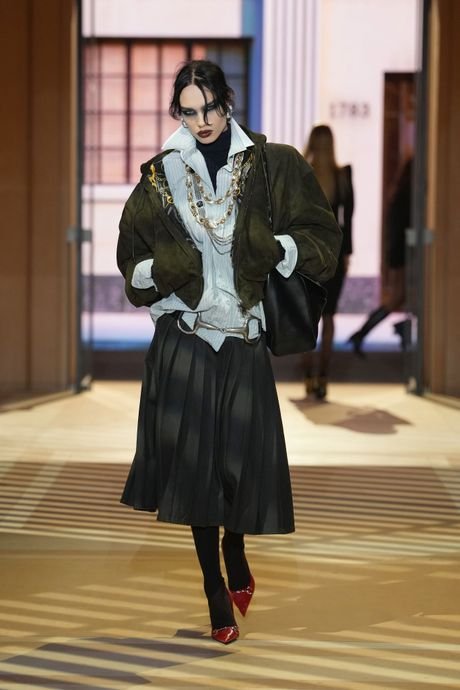
From left:Photo: Alessandro Lucioni / Courtesy of GucciPhoto: Alessandro Lucioni / Courtesy of Gucci
From top:Photo: Alessandro Lucioni / Courtesy of GucciPhoto: Alessandro Lucioni / Courtesy of Gucci
In other words, they were the kinds of people that the media has always been fascinated with, and also despised a little. And, for better or worse, they are Gucci’s customers
Demna said this spring he realized that with his first runway show, in February, he gave himself a frame that was too tight, by sticking to body-conscious clothes. On Friday, talking to reporters in the make-believe stockroom of “the store,” he said of the brand, “I like sexy but it’s not just that. I like kind of snobby 90s fashion Gucci”—the fashion of the Tom Ford era—“but it’s also not just that.” For this collection, he considered Gucci’s aristocratic and bourgeois clientele of an earlier era, before the style was “corrupted,” in his words, by fashion.
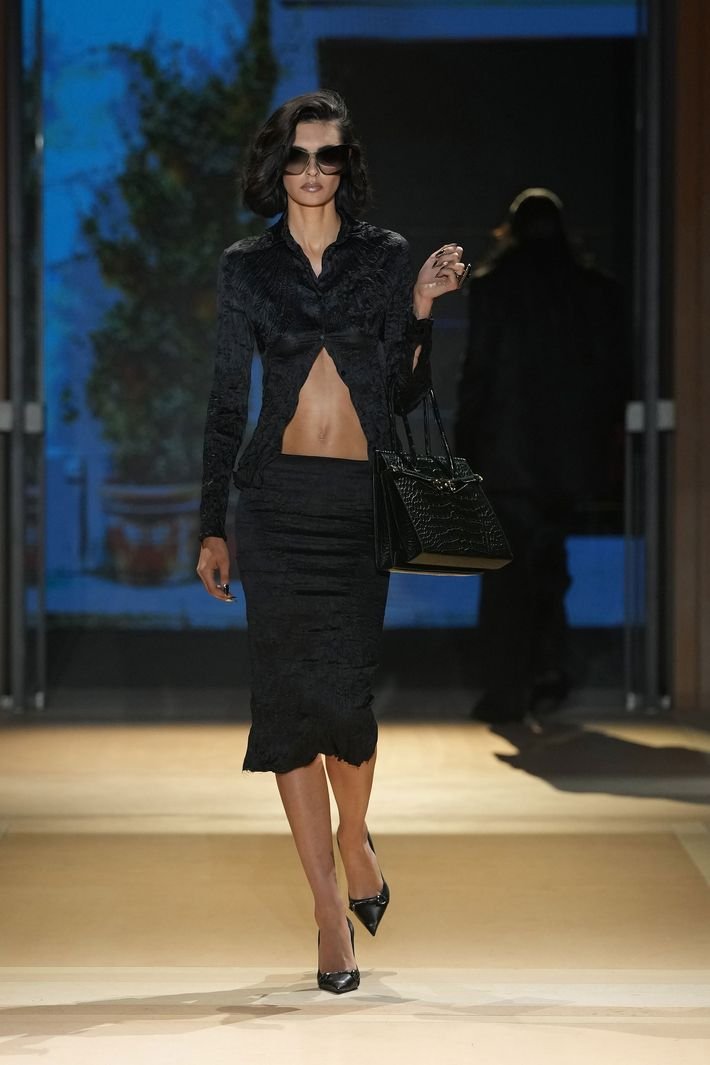
Photo: Alessandro Lucioni/Courtesy of Gucci
You kind of discover what Gucci is, he added, in the process of doing it
That is an honest thing to say, I think. There’s a certain irony in calling Friday’s entertainment “The Store Show.” Back in the 80s and 90s, when a New York designer presented a runway collection of commercial but nonetheless appealing looks, writers and others would dub it a “store show.” But today there’s some truth in giving people what they want, especially from a brand that contains multiple associations. It’s sexy, it’s glamorous, it’s obnoxious. Some online commentators complain they miss the weirdness of Alessandro Michele’s Gucci, but that style had already hit a wall before Michele left.
And the wall is the ever-changing audience, whose buying habits are about to undergo a shock with the intervention of AI programs that will influence choices. To put it plainly: we’re fucked
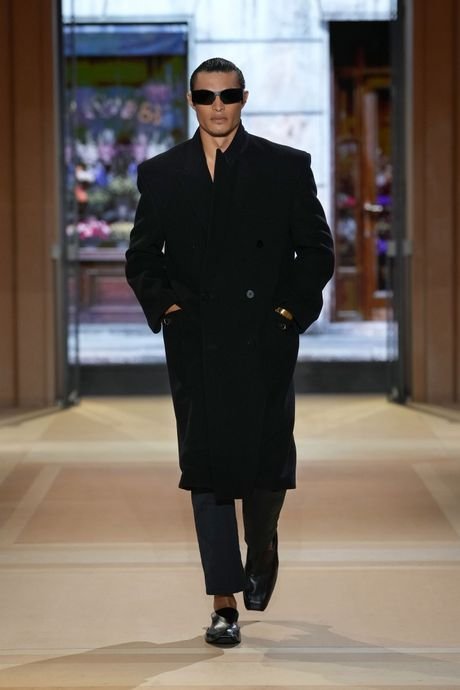
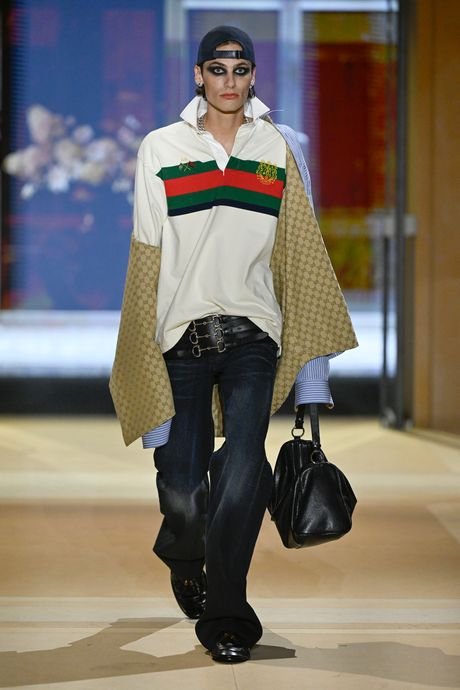
From left:Photo: Alessandro Lucioni / Courtesy of GucciPhoto: Giovanni Giannoni//WWD via Getty Images
From top:Photo: Alessandro Lucioni / Courtesy of GucciPhoto: Giovanni Giannoni//WWD via Getty Images
While I’m not sure that Demna has entirely grasped what Gucci is, not yet, I think he was absolutely right to address many types of customers. The collection was stuffed with looks that had plenty of novelty, notably the beefy overcoats for men, those wide belts with multiple buckles, the rugby shirts with Gucci’s stripes, the women’s puffy bomber jackets, and, above all, the newer proportion of a small, close-fitting jacket with a slim skirt. Some tailored jackets had pagoda shoulders and others a sharp, slightly raised look. They recalled a popular design in 2009 by Martin Margiela and a later style by Balmain. I don’t think anyone can claim to own these styles, anymore than they can the Chanel cardigan jacket, which lots of designers have riffed on.
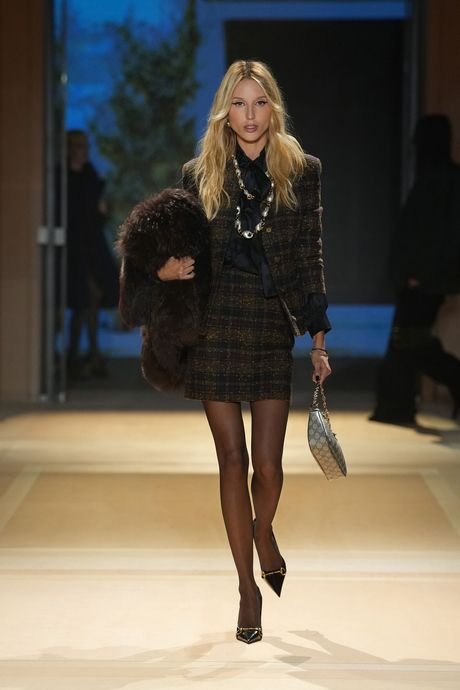
From left:Photo: Alessandro Lucioni/Courtesy of GucciPhoto: Alessandro Lucioni / Courtesy of Gucci
From top:Photo: Alessandro Lucioni/Courtesy of GucciPhoto: Alessandro Lucioni / Courtesy of Gucci
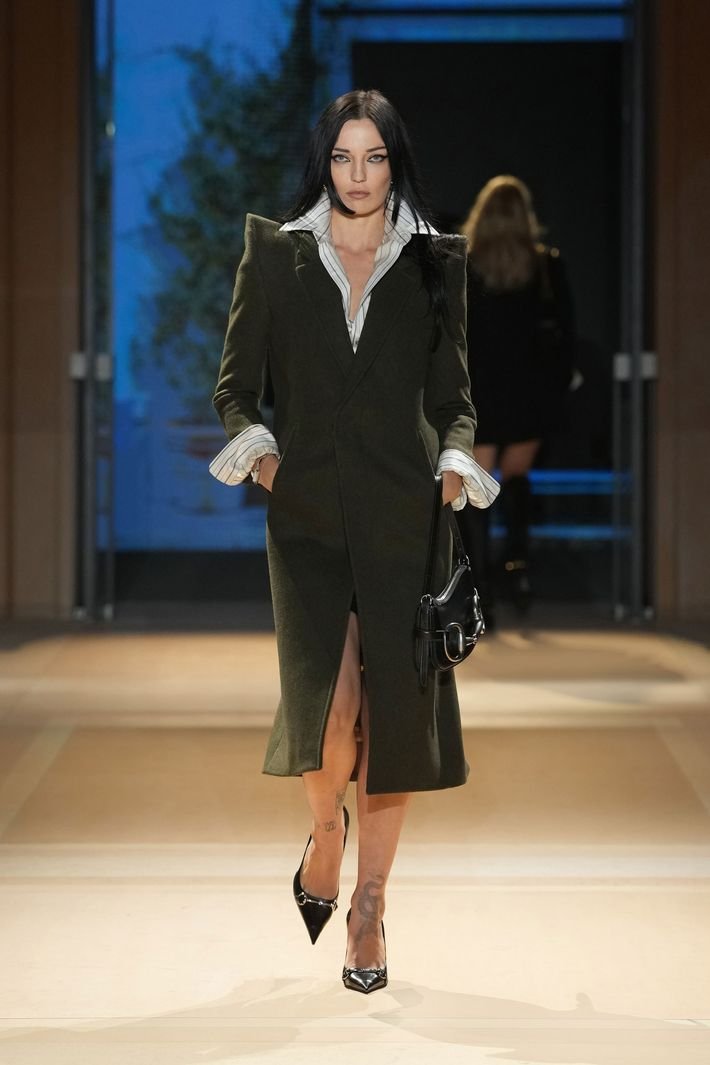
Photo: Alessandro Lucioni/Courtesy of Gucci
As in the February show, I felt the men got the better deal; their choices were eclectic and, on the whole, cooler. Considering the range of human types that Demna brought to Balenciaga, it’s surprising that the female images at Gucci largely amount to stereotypes
In the end, what really interested me was the enormous scale of “the store” and the claim it makes on our imagination. Kering, the luxury group that owns Gucci, has been closing a lot of stores; many people of course shop online, and if you’re really wealthy, merchants are happy to bring stuff to you
So what did that monolithic “store” represent? To me, it was a bid to once again occupy more space in the public consciousness. The New York show in Times Square, in May, was part of that effort. Now Demna is coming up with the merch
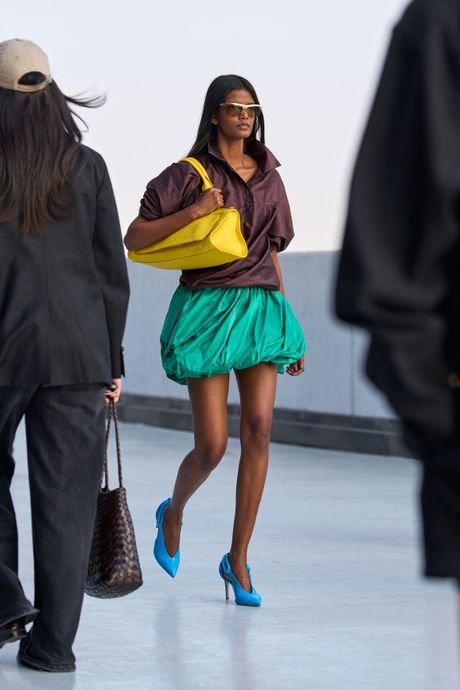
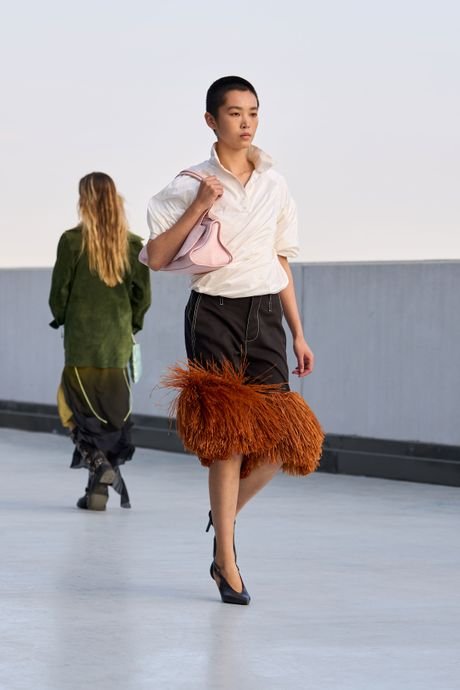
Strange as it may sound, Demna and Moschino’s new creative directors, Simone Rizzo and Loris Messina, are aligned. Rizzo and Messina, who founded the beloved brand Sunnei, put on a marvelous debut show on the roof of a public garage next to the Olympic ice stadium. It started with groups of people—moms and dads with little kids, teenagers on their phones, people with dogs or pushing bicycles, a woman carrying a large potted plant—walking from one end of the roof, while the models came from the other. They crossed paths.
From left:Photo: Umberto Fratini / Gorunway.com / Courtesy of MoschinoPhoto: Umberto Fratini / Gorunway.com / Courtesy of Moschino
From top:Photo: Umberto Fratini / Gorunway.com / Courtesy of MoschinoPhoto: Umberto Fratini / Gorunway.com / Courtesy of Moschino
Who’s to say what is fashionable? And why can’t Messina and Rizzo’s colorful and flamboyant clothes look amazingly right on the street? At Sunnei, they came up with cheap and clever ways to make us see how fashion can relate to life. On Friday, as the sun began to set over Milan, they did it again with a great introduction to their work at Moschino, a brand known for wit but also sophistication.
See All
Demna Expands His Gucci Universe