
Blog
From fashion writing to Milan’s runway: Sheemtana Shameem’s journey into styling

ProfileFrom fashion writing to Milan’s runway: Sheemtana Shameem’s journey into styling
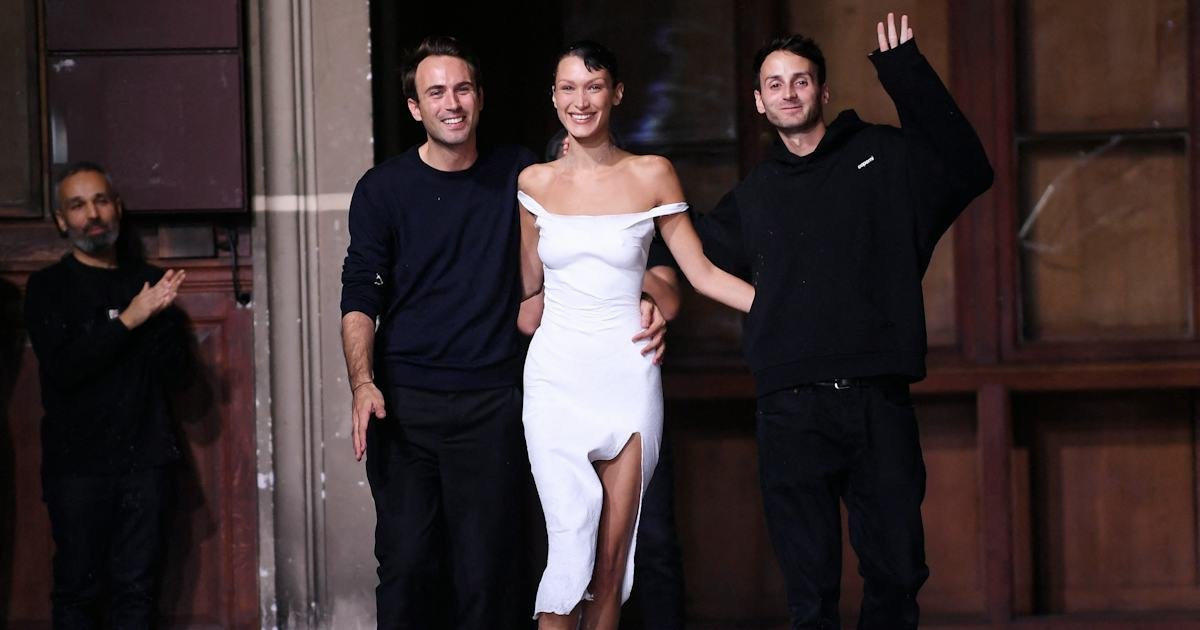
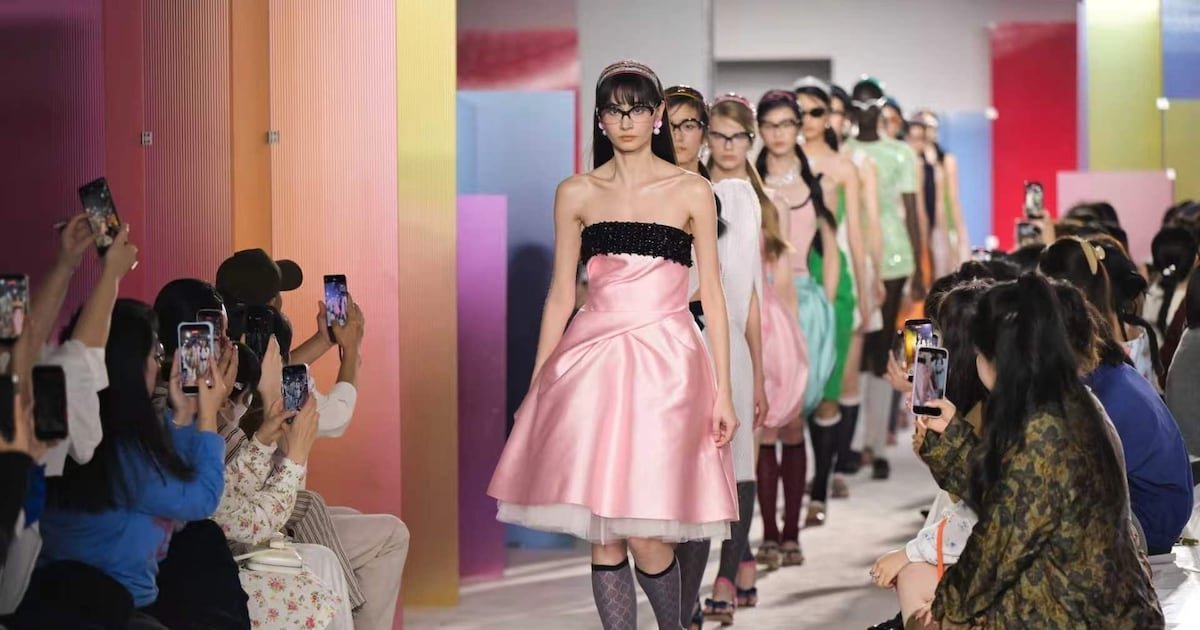
Seasoned stylist, creative director, and media producer Sheemtana Shameem describes working backstage at Milan Fashion Week as resembling the pace of “a Formula 1 pit stop”. For her, the experience also fulfilled a personal ambition: to present Bangladeshi textiles as expressions of design and creativity on an international runway
“I was tired of Bangladesh sort of being looked at as a ‘factory nation’,” she explains, speaking about her reason for entering the fashion industry in the first place. She has styled campaigns for fashion brands in the country for almost 16 years, all the while staying true to that conviction
Image
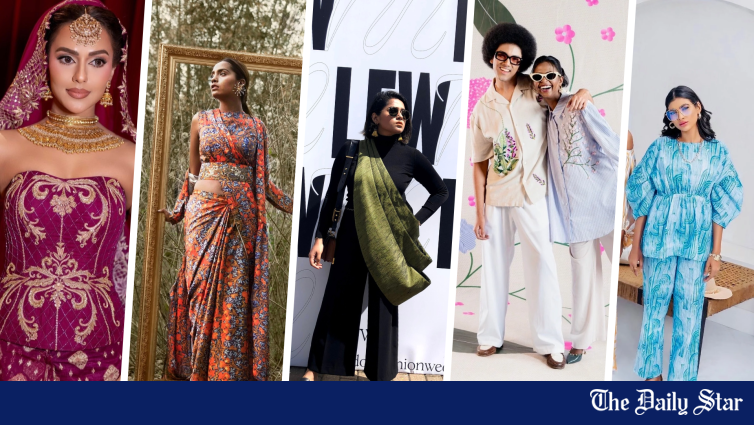
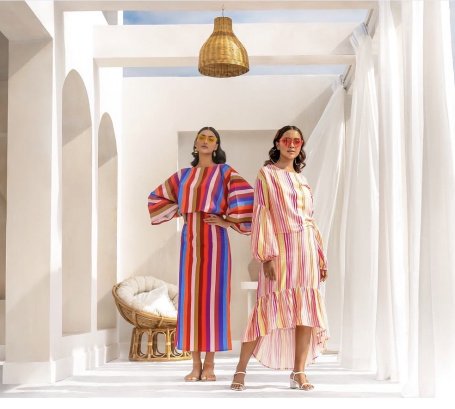
The collection she helped style at Milan featured local silks and Jamdani worked into contemporary silhouettes, including dresses and skirts. It offered a practical answer to a perception she has long wanted to challenge
Making the details work
The preparations began in Bangladesh, where the team tested the outfits on a fit model. In Milan, casting and fittings determined who would wear each look. Jewellery and shoes were finalised, and completed ensembles were photographed for reference
“On show day, you only have seconds,” she recalls
Having previously styled runways in Dhaka, Sheemtana understood the need for contingency plans. Milan intensified that experience through its pace and volume. Looking back, she remembers the coordination as vividly as the clothes. “I was fascinated and impressed by the level of precision there.”
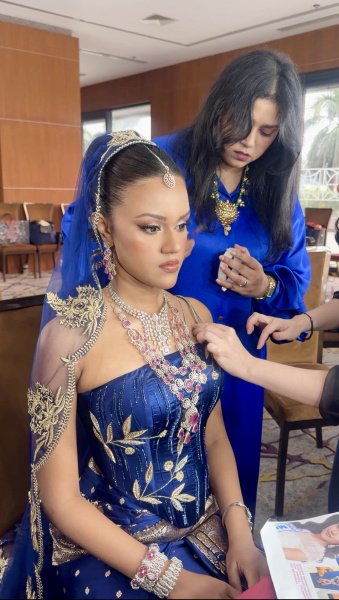
Her recent work on a bridal jewellery runway required another kind of accuracy. Local sarees were paired with corsets, and she organised the looks into two broad directions: predominantly diamonds with silk, and gold with Jamdani
The opening bridal look combined royal blue, a veil, diamonds, and rubies. The closing look brought together Jamdani, gold, and a long veil, with a corset adding contemporary structure
“I worked closely with the fashion designer and the jewellery brand on developing the corsets,” she says, explaining how necklines, proportions, and jewellery shaped the decisions for each wearer
The process also challenged a familiar boundary. “Bridal jewellery doesn’t strictly have to be worn only by brides,” she observes. “Wedding guests and relatives could find ideas in those combinations, too.”
Image
First came the words
Despite a career increasingly associated with images, Sheemtana’s entry into styling began with writing
“I actually found styling through writing,” she says
Around fifteen, she inherited twenty or thirty fashion magazines from a cousin moving abroad. Already interested in writing, she became absorbed in fashion journalism. She later studied English and began writing style features, eventually taking on the photo shoots that accompanied her articles
“I used to style all the pieces that I was writing about,” she says

For all latest news, follow The Daily Star’s Google News channel.
Writing required her to explain an idea. Styling required her to demonstrate it. Her particular interest was translating international trends into a Bangladeshi context, questioning the assumption that certain clothes were only wearable abroad
“You can still be on-trend with the rest of the world and make it relevant to Dhaka as well,” she says
That approach gave her early work a purpose beyond assembling attractive outfits: helping readers recognise possibilities they might otherwise dismiss
Image
Learning to own her style
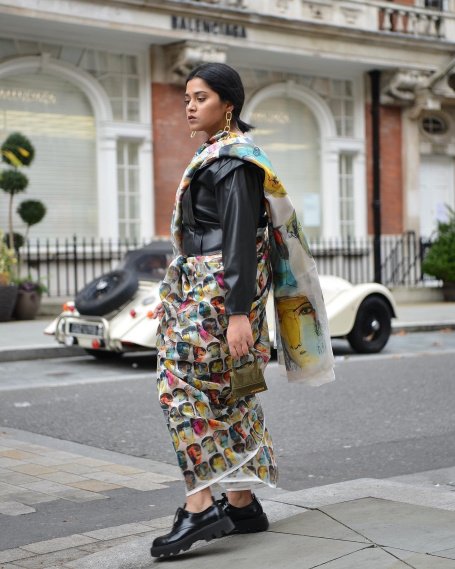
Her confidence developed gradually. As an athletic teenager, Sheemtana preferred oversized clothes, sneakers, and chunky sandals. She loved fashion but felt different from girls whose wardrobes looked nothing like hers
“What I started to realise over time was that, actually, that is my signature style,” she recalls
Her family provided lasting influences. She remembers her maternal grandfather as exceptionally stylish and admired how her mother dressed unconventionally while navigating conservative expectations in the 90s
Her mother has also worked directly with Jamdani weavers for over three decades, giving Sheemtana an early understanding of the fabric’s craftsmanship
“I know the story, the craft, how creative the weavers are, and how beautiful the motifs are.” These influences encouraged her to experiment with sarees without abandoning her own style preferences
“I just owned the sarees in my own personal way,” she says
Fashion developed alongside a career in the development sector. With a master’s in international relations and politics and no formal fashion education, she eventually chose to pursue the creative work full-time
Image
What comes next
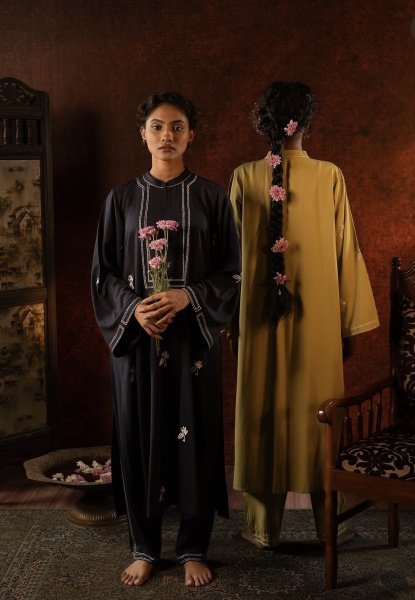
Sheemtana now wants to explore opportunities for newcomers to learn through shadowing or apprenticeships. Another priority is encouraging people to reconsider clothes they already own
“Repeating an outfit is actually a flex,” she says. “Re-styling pieces you already own is the ultimate styling achievement.”
Through different accessories, shoes, bags, and hairstyles, she argues, a familiar saree can acquire multiple identities. The challenge is to experiment before deciding something will not work. She also hopes to move into costume direction for cinema, bringing her experience in writing and visual storytelling to the task of interpreting characters
“Styling to me is simply telling stories through clothes,” she says
That ambition returns her to the relationship that first made this career possible. Writing taught her to imagine a person and their world. Styling gives those observations a visible form, down to the last detail
Photo: Courtesy