
Blog
Iran tightens hijab laws as women’s resistance grows


https://p.dw.com/p/4nga9
The Iranian parliament has approved the so-called hijab and chastity bill, which mandates women to wear hijabs and introduces strict penalties on those who do not
Since the 1979 Islamic Revolution, women in Iran have been required to cover their hair in public
Increasing numbers choose not to wear hijabs, especially since the 2022 death in police custody of Iranian-Kurdish woman Jina Mahsa Amini
The 22-year-old had been arrested by Iran’s morality police for allegedly violating the country’s strict dress code
Amini’s death sparked widespread protests, largely led by women and schoolgirls, calling for political change. It also inspired the “Women, Life, Freedom” movement, which challenged authorities’ enforcement of the hijab mandate
The hijab and chastity bill was drafted by the Iranian judiciary on the instructions of former President Ebrahim Raisi in response to the increasing reluctance of many women to wear the hijab
What does the new law say?
Iranian media reports say the legislation imposes fines equivalent to up to 20 months of the average salary for women who improperly wear a hijab or forgo it altogether in public or on social media
Fines must be paid within 10 days, failing which violators will face restrictions on access to government services, such as the issuance or renewal of passports, driver’s licenses and exit permits
Mary Mohammadi, a US-based Iranian political analyst, told DW that the law aims to hinder woman by making their struggle too costly
“It seeks to prevent the advancement of women’s demands, bolster the morale of the regime’s ideological supporters, exhaust the psyche of society by creating all-encompassing conflicts in daily life and weaken the revolutionary potential led by women,” she said
The legislation requires institutions to provide CCTV footage to help police identify people opposing the compulsory hijab. Noncompliance will result in fines or the dismissal of the institutions’ officials
It also criminalizes the design or promotion of items such as clothing, statues and toys deemed to encourage “nudity” or lack of veiling
The Industry, Mines and Trade Ministry has been tasked with monitoring clothing producers and suppliers to ensure garments comply with hijab legislation
Pezeshkian’s hijab dilemma
The law was passed by lawmakers four months into Iranian President Massoud Pezeshkian’s term
Pezeshkian, who is widely viewed as aligned with the reformist movement that advocates for greater freedoms and better relations with the West, criticized the strict enforcement of hijab regulations during his election campaign
Many of Pezeshkian’s supporters had hoped that his administration would ease the rules surrounding compulsory hijabs. However, critics argue that compulsory hijab enforcement lies beyond the government’s direct control
“In a broader view, the disagreement over its implementation between the hard-liners in the Islamic Parliament and the so-called reformist Pezeshkian in the administration is a staged display of internal regime conflicts over the mandatory hijab law,” Mohammadi said
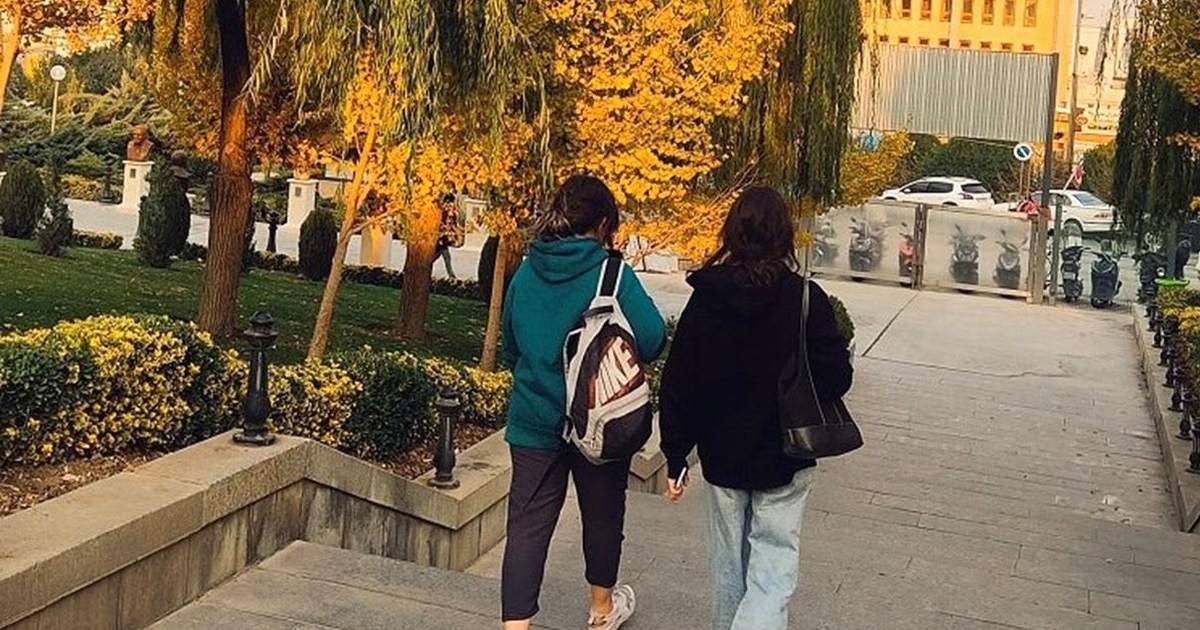
More than two years after the death of Mahsa Jina Amini, and despite heightened threats and additional security cameras in cities, many women still appear in public without hijabs
“In practice, Iranian women themselves have eliminated compromise and tolerance from their options, defining only two paths for themselves: death or freedom,” Mohammadi said
What happens next?
The Iranian parliament has forwarded the law to Pezeshkian for his signature, which is required before the law can take effect
Under the country’s constitution, the president has the authority to withhold notification to the relevant agencies, effectively delaying its enforcement
Activists and women’s rights advocates have urged Pezeshkian to exercise his authority and refrain from enacting the law
Restrictions and pressures on women in Iran persist, with the law even amplifying concerns among some officials within the Islamic Republic
They anticipate that opposition to the legislation will extend beyond social media, potentially sparking a new wave of street protests across the country
Edited by: Keith Walker