
Blog
The easy skincare guide men at 50 should be following – and why you should start a routine today

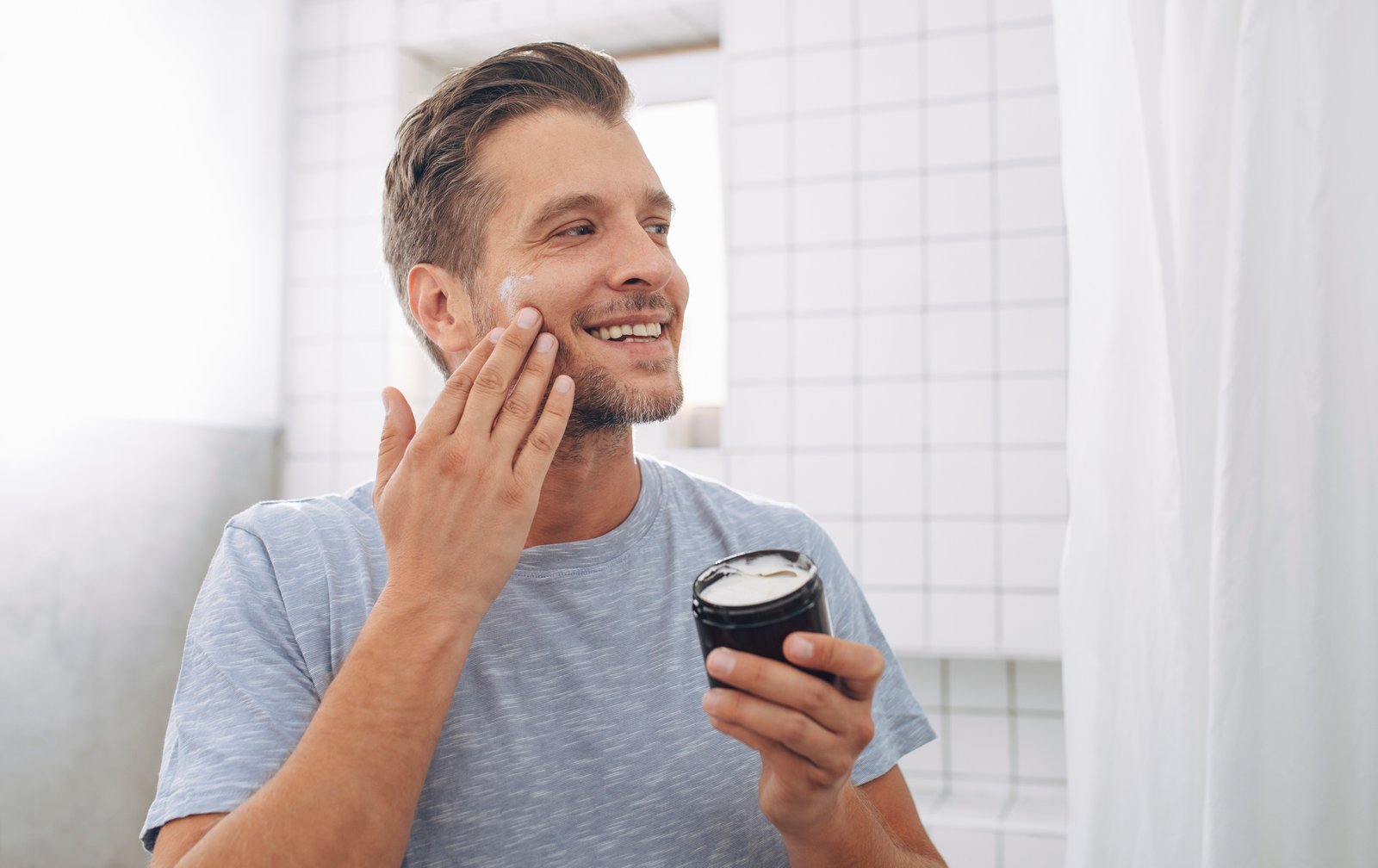
Not sure how to care for your skin at 50? We have you covered with our easy guide to the routine you should follow, the products you should use and a step-by-step guide from the experts
Pics: Getty Images
Skincare doesn’t need to be complicated and whilst the beauty industry may be marketing all sorts of things at us, there are in fact only three products every man needs. And that’s a cleanser, moisturiser and SPF that can make all the difference in protecting the skin and giving it the TLC it needs to restore the barrier, add hydration and help ward off ageing and skin cancer. Whilst there are other products you can add on if you wish (which I explain more of below), starting a routine with these three skincare necessities will do wonders for your skin health and appearance.
There are many reasons why a skincare routine for men at 50 is important. And even if you haven’t followed one in the past, protecting it now will still help you maintain healthier skin
According to Dr Riaz Agha, a consultant plastic and reconstructive surgeon at Harley Clinic Group, by their fifties, many men notice more lines, less firmness and uneven skin tone. “Changes in collagen and elasticity are part of natural ageing, while years of sun exposure contribute to wrinkles, pigmentation and changes in texture,” he explained
“Some men also find their skin becomes drier, although others still have oily skin or breakouts. Shaving, sensitivity and conditions such as eczema or rosacea affect the skin too.”
And if you are a man that just washes and goes, water is definitely not enough for your skin at 50. Whilst water can rinse away sweat, it doesn’t effectively remove anything else like oil and pollution. Plus, it can leave skin feeling very dry as the water evaporates, leaving to that tight feeling
Dermatologist Dr Jessica Farahi, from Asterwood Beauty adds:
“A quick, gentle clean up goes a long way so it’s worth spending just a couple of extra minutes on a skincare routine. Sweat, oil, and friction can contribute to breakouts, chafing, and irritated hair follicles so applying three simple products will help your skin long-term. Sunscreen is especially important because UV rays can damage skin even when it’s cold or cloudy, contributing to skin cancer, wrinkles, and dark spots. You can protect your skin from additional sun damage starting today.”
To understand what a cleanser, moisturiser and SPF does for your skin, we break it down
A cleanser is the first step in a man’s skincare routine because it helps remove the things that build up on the skin during the day and night. It removes dirt, excess oil, bacteria and other debris on the skin. You face should feel clean and comfortable afterwards
A moisturiser is important as cleansing can sometimes strip some of the natural oils from the skin and it helps hydrate it and support the skin barrier. It also makes skin feel lovely and soft afterwards, removing any dry patches too
“Moisturiser can temporarily soften the appearance of fine lines through better hydration. That is different from changing the deeper structure of the skin. Starting a routine at 50 can still be useful, even if you have done very little before,” added Dr Agha
An SPF is arguable the most important step for a men’s morning routine as it protects the skin from UV radiation, which can lead to skin cancer and premature ageing. It also stops the skin from getting burnt and from harsh weather conditions. NOTE: To be worn all year round, not just in the summer!
“Look for fragrance-free products, including a gentle, fragrance-free cleanser and a fragrance-free lotion or cream with ingredients like glycerin and ceramides in them,” explained Dr Farahi
“For sunscreen, choose broad-spectrum SPF 30 or higher. Water-resistant sunscreen is a good choice for outdoor workouts. Apply it to the face, neck, ears and earlobes, backs of hands, and exposed scalp. Use SPF 30 lip protection, too. Reapply every two hours outdoors and after swimming, sweating, or towel drying.”
In a moisturiser, Dr Agha suggests looking to buy one that has glycerin and hyaluronic acid in it – both of which help the outer layers of skin hold onto water
“A cream may be more comfortable for dry skin. A lighter lotion or gel may suit oily skin. If you are prone to breakouts, a product labelled “non-comedogenic” or “won’t clog pores” is a useful starting point, although it does not guarantee that it will suit you,” he added
“Check the full ingredient list if you have a known ingredient allergy. Fragrances and some preservatives can trigger contact allergy in some people. Even fragrance-free products can cause reactions to other ingredients, and “hypoallergenic” does not mean allergy-free.”
Note: Products do not need to be labelled “for men” to work for men’s skin
Although you can get away with just using the three products, some men may want to understand the benefits of adding other skincare into their routine
According to Dr Agha, if fine lines or uneven texture bother you, retinol is worth considering once the basic routine is comfortable
“It is a vitamin A ingredient that affects skin-cell renewal and can improve the appearance of these concerns over time. The benefits seen in studies relate to the formulations tested, so results will vary between products
“Retinol can also cause dryness and irritation. Prescription tretinoin has a stronger clinical evidence base for treating signs of sun-related ageing, but needs individual medical advice. It is not something every man at 50 needs
“Niacinamide can help support the skin barrier and improve uneven pigmentation. It is often already included in moisturisers, so a separate serum may be unnecessary
“Vitamin C is an optional antioxidant ingredient that may help uneven pigmentation and fine lines. Pure vitamin C can break down when exposed to air and light, and the formulation affects how well it is absorbed by the skin. That helps explain why two products listing vitamin C can give different results. It does not replace sunscreen.”
If you are interested in adding these to your skincare routine, Dr Agha recommends you do it gradually
“Introduce one new treatment at a time. If you have eczema, rosacea, very dry skin or persistent irritation, get advice before starting retinol.”
We asked Dr Agha to break it down:
1. Cleanse gently. Use a mild cleanser and lukewarm water, then gently pat dry. Avoid scrubbing. If washing morning and evening leaves your skin dry or uncomfortable, reduce the frequency
If you are shaving, soften the beard with warm water, use a shaving cream or gel and shave in the direction of hair growth. Do this before moisturiser and sunscreen
2. Moisturise. Apply a moisturiser that keeps your skin comfortable. Applying it while the skin is slightly damp can help retain moisture
(Note: If you use a serum such as vitamin C, apply it after cleansing and before moisturiser, following its instructions.)
3. Apply sunscreen. Once the moisturiser has settled, apply sunscreen generously as the final layer, following the product’s instructions before going outdoors. Remember the ears, neck and exposed scalp as well as the face. A hat is particularly useful if your hair is thinning
When outdoors, reapply sunscreen about every two hours and after swimming, heavy sweating or towel drying. Use shade and suitable clothing alongside it
A moisturising sunscreen can combine the last two steps if it provides adequate UVA and UVB protection, is applied in sufficient quantity and keeps your skin comfortable
1. Cleanse. Gently remove the day’s sunscreen, dirt and excess oil. Avoid hot water and vigorous rubbing
2. Apply retinol if you are using it. Let the skin dry first. Start with a low-strength formulation on one or two non-consecutive evenings a week, following the product’s instructions for the amount and where to apply it. Increase frequency only if your skin remains comfortable
3. Moisturise. Apply moisturiser afterwards. Some people tolerate retinol better with moisturiser applied first; follow the guidance for your product or ask for advice. On evenings without retinol, simply cleanse and moisturise
(Note: Leave retinol out when the skin is sore or irritated, including after shaving. Persistent burning, marked redness or painful peeling are reasons to stop and seek advice. Peeling is not necessary for the treatment to work.)
Daily moisturising is like a hug to the skin – it can improve comfort and hydration fairly quickly. Fine lines or uneven pigmentation don’t disappear overnight – this takes time but persistence will pay off within a year, depending on each individual’s skin type
Sun protection is an ongoing habit that helps limit further damage. Start today guys – your skin will thank you for it!