

Blog
Young Indians turn to social media for skincare fixes, doctors warn of steroid misuse

HomeLive TV
Sections
WorldEntertainmentExplainersCricketSportsOpinionIndiaTechAutoLifestyleHealthBusinessVideosImpact ShortsWeb Stories
Shows
VantageFirstpost AmericaFirstpost AfricaFirst SportsSpotlightThe SpendLive TV
Events
FIFA World CupUnion BudgetIndependence DayDelhi Elections 2025
Young Indians turn to social media for skincare fixes, doctors warn of steroid misuse
From acne and eczema to pigmentation, young Indians are increasingly turning to social media and over-the-counter products for skin problems, but dermatologists warn that delayed diagnosis and steroid misuse can worsen the condition
Skin problems during adolescence are often dismissed as a temporary or cosmetic concern, but dermatologists say persistent acne, eczema, pigmentation and other disorders can affect much more than appearance. A study of adolescents in South India found acne and eczema among the more common dermatological conditions, while research among Indian adolescents and young adults has also linked acne with body-image concerns and impaired quality of life.
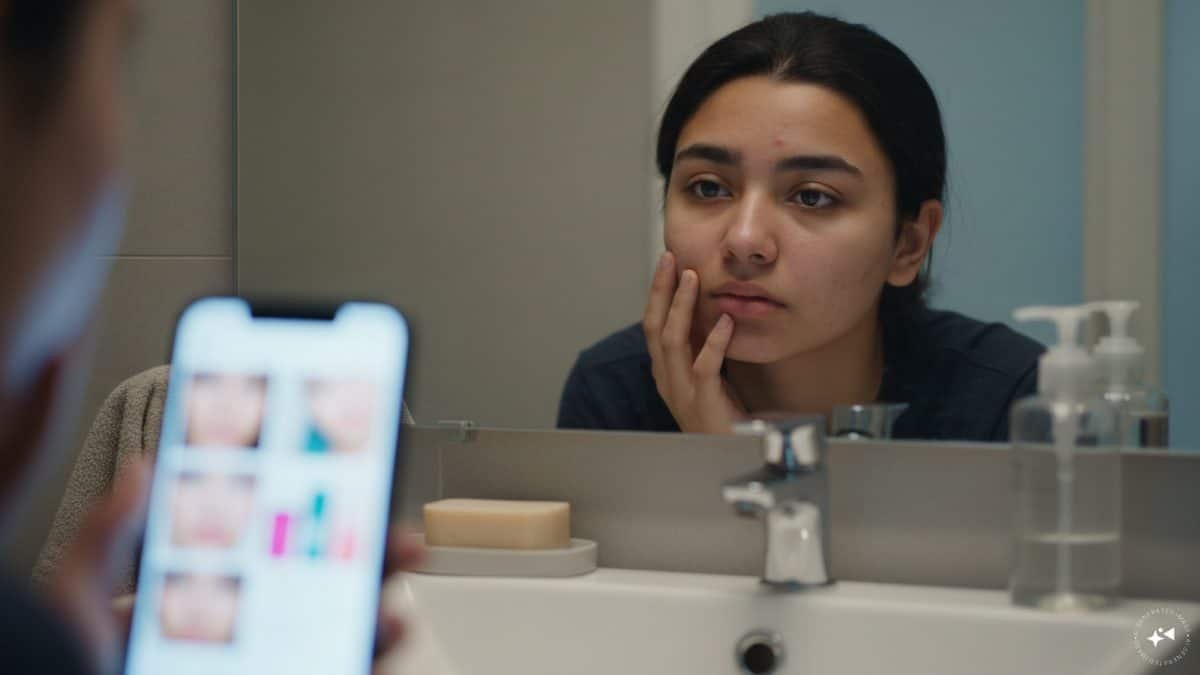
At the same time, the explosion of skincare content on social media has made it easier for young people to experiment with products and treatments without first establishing what condition they actually have. That can be particularly problematic when products containing topical steroids are used without medical supervision
The American Academy of Dermatology suggest that inappropriate use of topical corticosteroids can cause side effects including skin thinning, stretch marks, visible blood vessels and acne-like breakouts. For teenagers and young adults, the consequences can extend beyond the skin. Acne may leave scars and pigmentation, while eczema can cause persistent itching, discomfort and sleep disturbance. Visible skin problems can also affect confidence, social interaction and psychological wellbeing.
Social media is changing how young people treat their skin
Dr Rinky Kapoor, Co-Founder & Director, The Esthetic Clinics, said dermatologists are seeing an increase in teenagers seeking consultation for persistent skin problems
She attributed the trend to several possible factors, including stress, lifestyle changes, pollution, disrupted sleep, dietary habits and the increasing use of multiple skincare products
“Trends on social media have pushed individuals to try products and treatment options regardless of their skin type,” Kapoor said, adding that persistent skin problems cannot be attributed to a single cause
The availability of skincare advice online can also encourage adolescents to self-treat rather than seek a proper diagnosis
According to Kapoor, many brands promote products with promises of quick or instant results, but different skin conditions require different treatment approaches. A product that works for one condition or skin type may aggravate another
Steroid creams can make things worse
One of the concerns is the unsupervised use of steroid creams. Kapoor warned that using such products without proper medical advice can result in skin atrophy, hyperpigmentation, acne formation and increased sensitivity
This concern is also reflected in dermatology guidance. The American Academy of Dermatology recommends using topical corticosteroids only as directed, because inappropriate or prolonged use—particularly of stronger steroids on sensitive areas such as the face—can cause skin thinning and other complications
Kapoor said young people should not continue experimenting with over-the-counter products if a skin problem persists
A dermatologist should be consulted when a condition does not improve with basic treatment, keeps returning, begins spreading, becomes painful or itchy, or starts causing scarring or pigmentation
A sudden skin reaction after using a new product also warrants medical attention, she said. Similarly, if several over-the-counter products have already been tried without improvement, further experimentation could make the condition worse
Acne and eczema are not simply cosmetic problems
Kapoor said acne and eczema are often overlooked because they are visible on the skin and therefore perceived primarily as cosmetic problems
But acne can result in scarring and discolouration, while eczema can cause severe itching, pain and insomnia. These effects can have a significant impact on everyday life
Research from India has also highlighted the psychological and quality-of-life impact of acne among adolescents and young adults. In one study involving 250 people aged 13 to 25, the severity of acne was significantly associated with body-image disturbance and impaired quality of life
Kapoor said the impact can be particularly difficult for younger people, who may already be highly conscious of their appearance
“Some might even avoid photographs, social events or activities where their skin is more exposed,” she said
Persistent itching or discomfort can also interfere with sleep and concentration, adding another layer to the problem
When should a young person see a dermatologist?
According to Kapoor, several warning signs should prompt a consultation rather than continued self-treatment:
- A skin condition that persists despite basic treatment
- Repeated flare-ups or recurrence
- A rash or other problem that begins spreading
- Persistent pain or itching
- Development of scars or pigmentation
- A sudden reaction after using a new skincare product
- Symptoms that continue despite trying multiple over-the-counter products
The broader concern, Kapoor said, is that treating skin disease should not be limited to improving its physical appearance
“Treating skin diseases involves not only addressing their physical manifestations but also their impact on an individual’s quality of life,” she said
For young people, that means resisting the temptation to follow every viral skincare trend and recognising that persistent or unusual symptoms may require a proper diagnosis. A study of Indian schoolchildren has previously found skin conditions to be common in this age group, underscoring that dermatological problems among children and adolescents are not unusual or merely cosmetic
Health
First Published:Aug 22, 2026, 18:08:00 IST
Trending Stories

Chronic back pain isn’t ‘all in your head’: Doctors explain how the brain becomes part of the pain cycle
Chronic back pain is more than a spinal problem, doctors warn, as persistent pain can alter the nervous system and affect sleep, concentration, mood and quality of life.
5 min read
Doctor explains: The obesity-cancer link and why excess weight matters more than you think
Firstpost brings out an expert’s view on the growing link between obesity and cancer, how excess body fat may increase cancer risk, why BMI alone may not tell the full story, and what people can do to reduce their risk.
5 min read
UK bans gel nail because of TPO: What is the chemical, and should India follow?
The UK is phasing out TPO in gel nail products after its reproductive-toxicity classification. Doctors explain the risks and whether India should act.
5 min read
Is your forgetfulness normal or ADHD? Doctors explain the difference
Losing keys or missing deadlines does not automatically mean ADHD. Neurologists explain the signs, childhood clues and when adults should seek an assessment.
7 min read
Can your daily hour-long workout really undo 8-10 hours of sitting? Cardiologists explain
A daily workout is important, but cardiologists explain why sitting for 8-10 hours can still affect heart health and why movement breaks matter.
5 min read
Up Next