Blog
Africa is the natural home of shea butter. This brand is ensuring it’s produced there | CNN

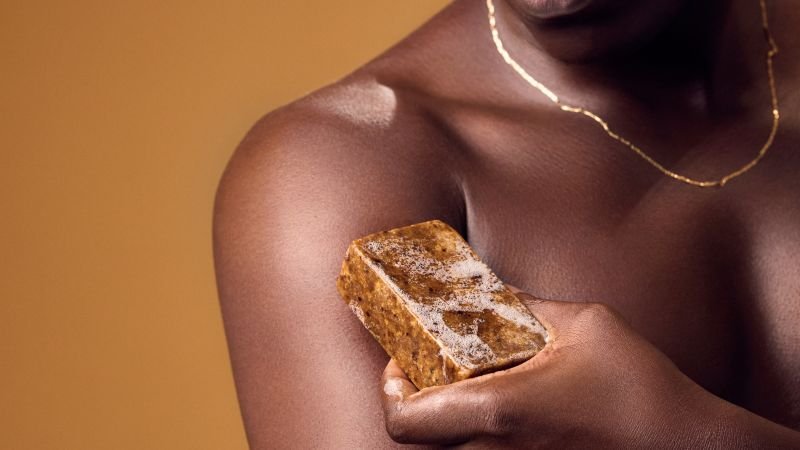
Made from the nuts of the shea tree, shea butter is found in stores around the world, in everything from chocolate and candy to lip balms and hair conditioners
But across West Africa, shea butter is a household staple. The fat has long been used in cooking and as a moisturizer thanks to its emollient and anti-inflammatory properties
Africa is the only place in the world where shea trees naturally grow, and according to the Global Shea Alliance, a nonprofit organization representing members of the industry, approximately 800,000 tons of shea nuts are collected across the continent each year
So, when Valerie Obaze gave birth to her first child in Nigeria — which produces nearly 40% of the world’s annual shea crop — and went to the local shops to buy a moisturizer for her baby, she expected to find an African-made product
“I know that we come from the continent of natural products like cocoa butter and shea, and I couldn’t see any (African) brand on the shelf offering that in a refined way,” said Obaze. “All I could see were imported brands, and nothing was purely natural.”
The experience inspired Obaze, who was working in PR at the time to found her own cosmetics brand, R&R Skincare, in 2010
The company, which is headquartered in Accra, Ghana, makes luxury skincare goods from African-ana and Nigeria, it ships to Canada, the US and the UK, where it has fulfillment warehouses
“As Africans we were taking (shea) for granted because it’s so readily available to us that we didn’t even appreciate the goodness of it,” said Obaze. “I think the increase in international demand is tied to a more wellness and ethical-focused customer who values authenticity, traceability and takes a cleaner approach to their lifestyle.”
R&R Skincare also produces baobab oil, which is rich in skin-and-hair-boostingomega-3 fatty acids and vitamins. Known as “the tree of life” and the “upside down tree” for their strange shapes and longevity — over 1,000 years in some instances — baobab trees grow across much of Africa
Despite being where shea trees are grown, very little of the shea butter sold globally is processed and branded in Africa
“Global brands have driven much of the growth in clean beauty (skincare products made without harmful ingredients, and usually ethicallyolla, a consultant at Euromonitor, a market intelligence company which tracks the beauty and personal care sector across Africa
“African countries still lack sufficient local manufacturing capabilities,” she added. “Even where local manufacturing exists, it can be expensive, and there may be a shortage of qualified professionals.”
In March, Nigeria extended a ban announced last year on raw shea nut exports, to encourage suppliers to invest in production of more refined shea products, which have a higher commercial value. Despite being the world’s largest producer of shea, Nigeria accounts for just 1% of the global market value. Ghana is set to implement a similar ban
Obaze said that competition with large global brands has made sourcing shea nuts difficult
“Shea is not something that you farm. It grows in the wild, so it has its season,” she said. “You have international buyers that come in the season and take truckloads of shea nuts … as a local business, you’re scrambling for what is left over.”
R&R Skincare has started paying harvesters and aggregators an above-market rate ahead of the shea season, so that they allocate nuts for the company
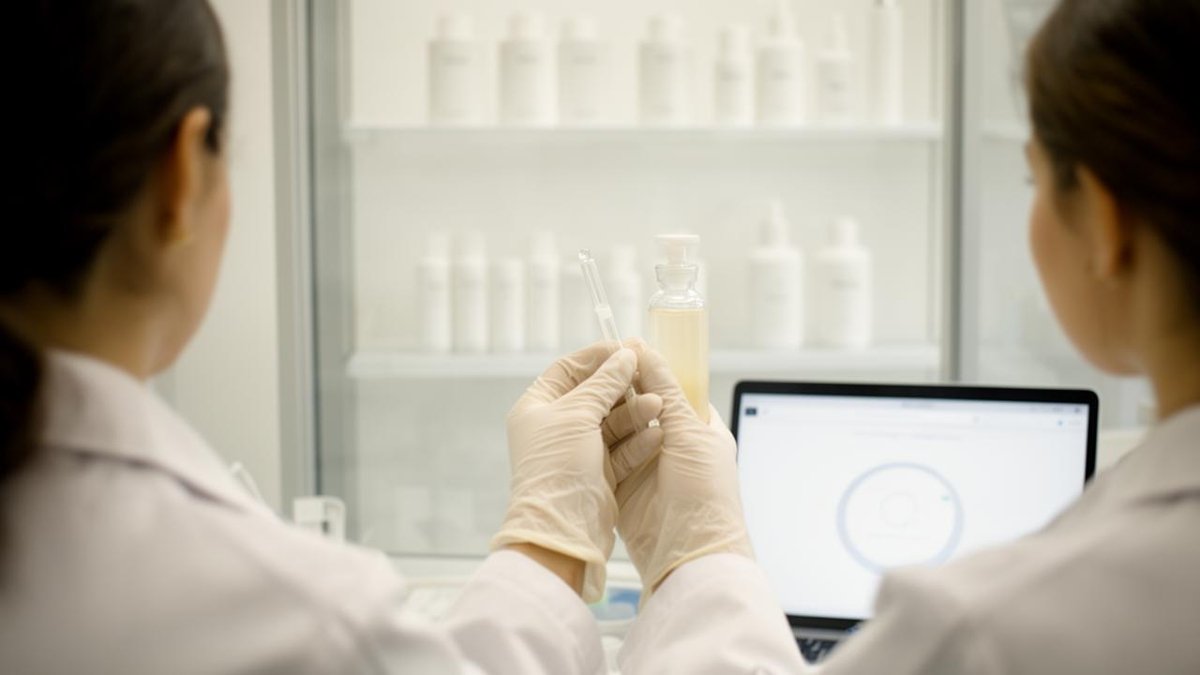
It has also built a processing center in northern Ghana, where those the company works with can access all the equipment they need to produce shea butter in one place, instead of walking several miles between different facilities
The vast majority of those working in Africa’s shea sector are women, earning shea butter the name “women’s gold.” In rural West Africa an estimated 16 million women collect and process shea fruits
“The growing demand for African botanicals such as shea butter has benefited local communities, particularly women, through cooperatives in countries like Ghana,” said Abdoolla. “These supply chains have often been closely linked to women’s economic participation, and this has been an important part of the narrative around clean beauty.”
Yet despite a 600% increase in export volumes of shea nuts over the past 20 years, many women in the industry remain poor. “These women have been used in marketing campaigns for years, but we still find them in the same position that they started in,” said Obaze
R&R Skincare’s social wing, the Women of the Savannah Development Project, provides health, safety and business training to women working in the shea industry, as well as social amenities such as clean water systems to local communities
“When you give a woman the tools to look after herself … she looks after her family and probably people in her community as well,” said Obaze, adding that the skincare business has become “a mission to work on the economic empowerment of the continent.”
R&R Skincare plans to begin exporting its products to Europe this year, but Obaze said “there’s a lot of high barriers to entry” for African firms
“Natural ingredients, because of their lack of stability, have higher requirements than synthetic (ingredients),” she explained. “Our test results in Africa are not sufficient. We have to send our products to a lab in Spain to have it tested in order to get the correct certification.”
She added that shipping products out of Africa is “extremely expensive,” requiring the company to use fulfillment warehouses in the US and the UK
Africa-focused skincare brands are popping up elsewhere. In Kenya, Uncover has developed a range of products that serve the needs of African women, including suncream that doesn’t leave a white mask on skin; Ghana-based Skin Gourmet produces skincare goods made from edible locally
Euromonitor estimated the Middle East and African skincare market had a retail value of $6.5 million in 2025, up from $4.7 million in 2020, with the beauty and personal care category in the region growing by almost $13 million across the same timeframe
Abdoolla said there are “still clear opportunities” for African skincare brands, “particularly as the clean beauty and ingredient-led trends remain strong (and) consumers are increasingly informed about what goes into their products and are making more considered choices.”
However, she cautioned that achieving global traction will require addressing “structural challenges such as energy instability, regulatory complexity and logistics constraints,” as well as “greater investment in branding and finished products.”
Despite these challenges, Obaze is optimistic about the future of R&R Skincare and the broader African cosmetics sector
“It was a dream from the beginning that we’d be able to share our products with the rest of the world,” she said. “Because we don’t necessarily have the tools, it just takes us that bit longer. But if there’s a belief and there’s the opportunity and there’s funding, we can get there.”