
Blog
Fashion and Copyright: What Designers Need to Know | Copyright

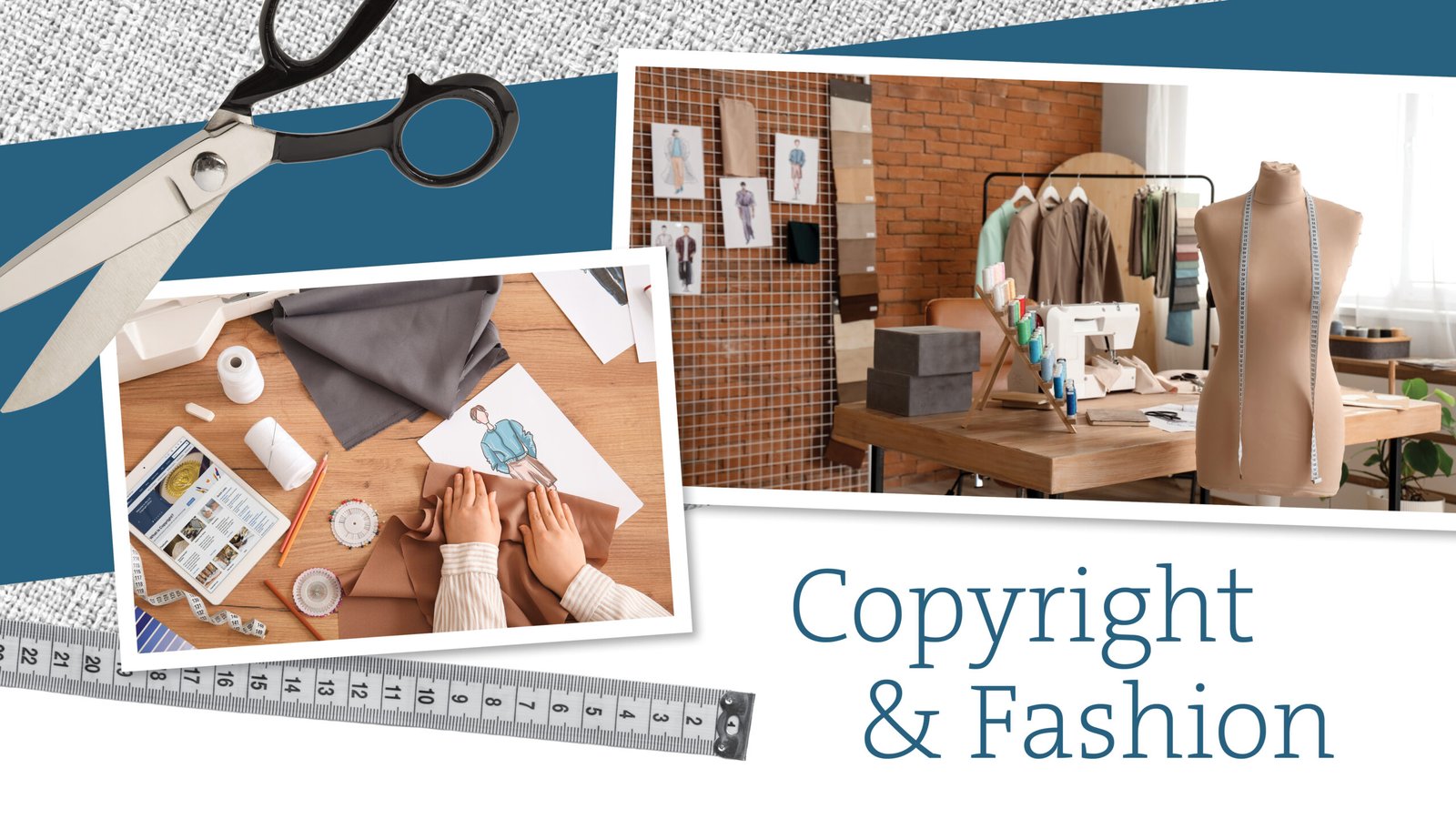
In celebration of the Library of Congress’s America 250: Fashion at the Library initiative, this blog post has been adapted from an article written by Ashley Tucker that originally appeared in the January/February 2024 issue of the Library of Congress Magazine (PDF, 7 MB). Join the Copyright Office on July 23 at the Live! At the Library: Fashion at the Library: Fashion of the First Ladies event.
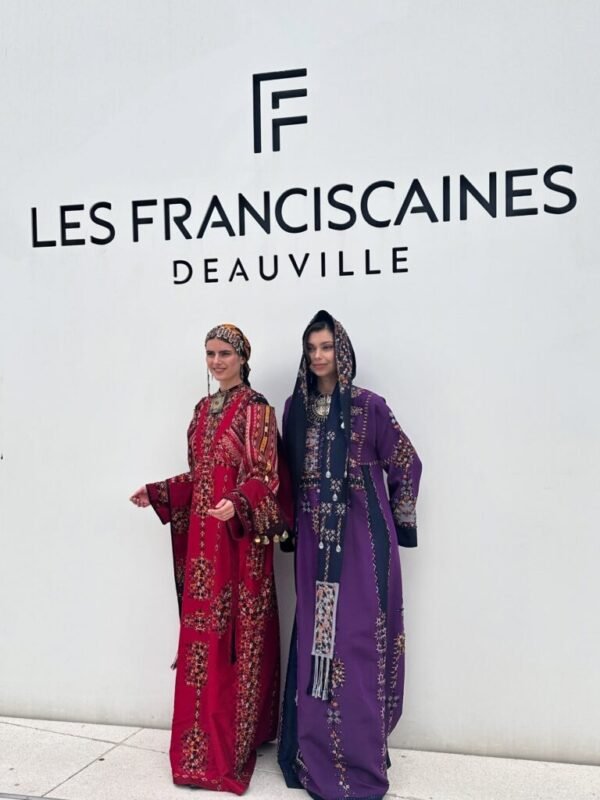
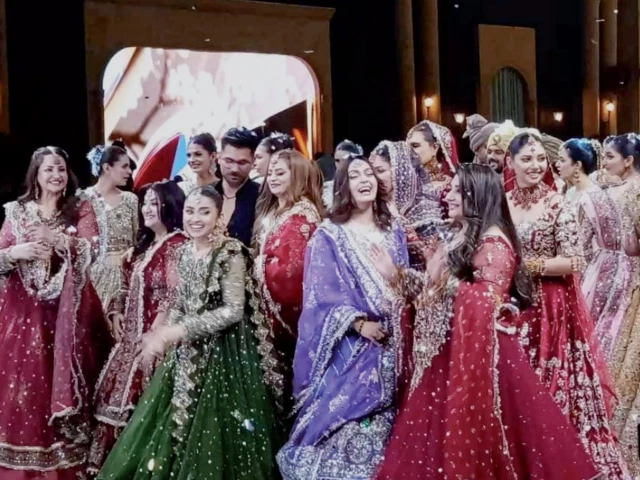
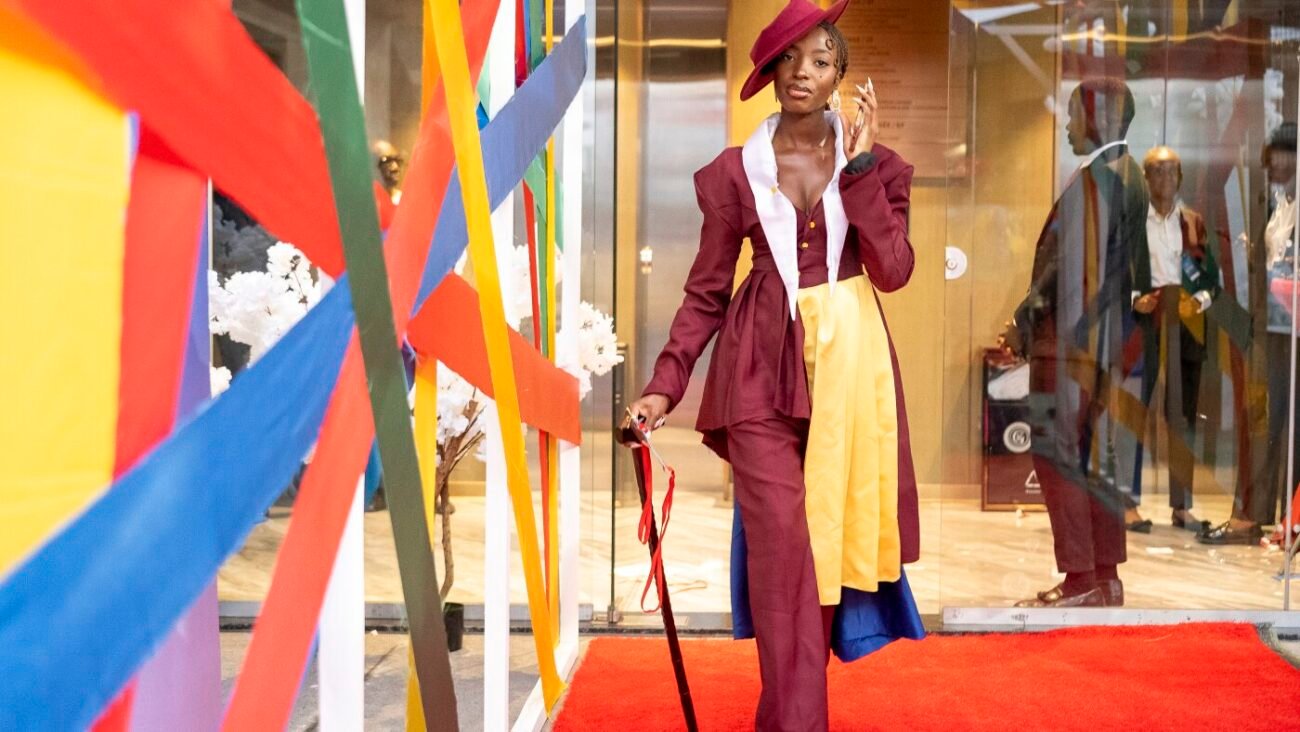
Fashion is an ever-evolving expression of creativity which ties together innovation, culture, and commerce. The U.S. Copyright Office is often asked, “Are my fashion designs protected under the copyright law?” With a constitutional purpose to promote creativity and free expression, copyright is a fundamental aspect of fashion. For example, copyright protection can extend to the visual works of art common to the fashion industry like sketches and fabric patterns, as well as certain garment embellishments—as long as they are original and sufficiently creative.
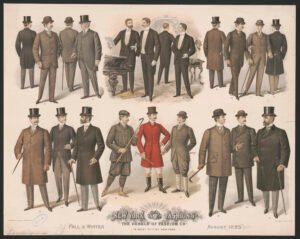
Functional pieces of clothing, produced from original sketches, such as blazers, trousers, and shoes, are generally not copyrightable because copyright law excludes what are called “useful articles.” But fashion sketches of seasonal designs, such as the ones seen in the below illustration, “New York fashions. Fall & winter / Herald of Fashion Lith, N.Y.,” are protectable under the law. The Library of Congress is home to countless fashion-related works, some of which were acquired by the Library after submission to the Copyright Office for registration. For more information about fashion inspiration throughout the centuries, visit the Library’s Popular and Applied Graphic Art Collection.
Beyond clothing, jewelry may be protectable under copyright law as sculptural works. Jewelry designs may be created in a variety of ways, including by carving, cutting, molding, casting, or shaping the work; arranging the elements into an original combination; or decorating the work with pictorial matter, such as a drawing or etching. As with other fashion designs, jewelry artists may submit copyright registrations for their designs to the Copyright Office. Registration establishes a public record of copyright ownership and offers several other practical and legal benefits.
The fashion landscape can be complex for designers who are often working to get in front of rapidly changing trends. They must consider how to be responsible copyright owners and users. Copyright law aims to foster creativity and innovation while protecting the intellectual property of all creators.
The Copyright Office offers many resources to help creators understand how copyright works for them. Discover the basics about copyrightability inCopyright Basics (Circular 1) (PDF, 109 KB). Learn more about navigating the copyright system and the benefits of registration with ourCopyright Registration Toolkit. And get more information about the copyrightability of jewelry and the design aspects of useful articles in chapter 900, sections 908 and 924, of the Compendium of U.S. Copyright Office Practices, Third Edition (PDF, 1,069 KB).