
Blog
Islamic veil: Why fewer women in North Africa are wearing it


Social media
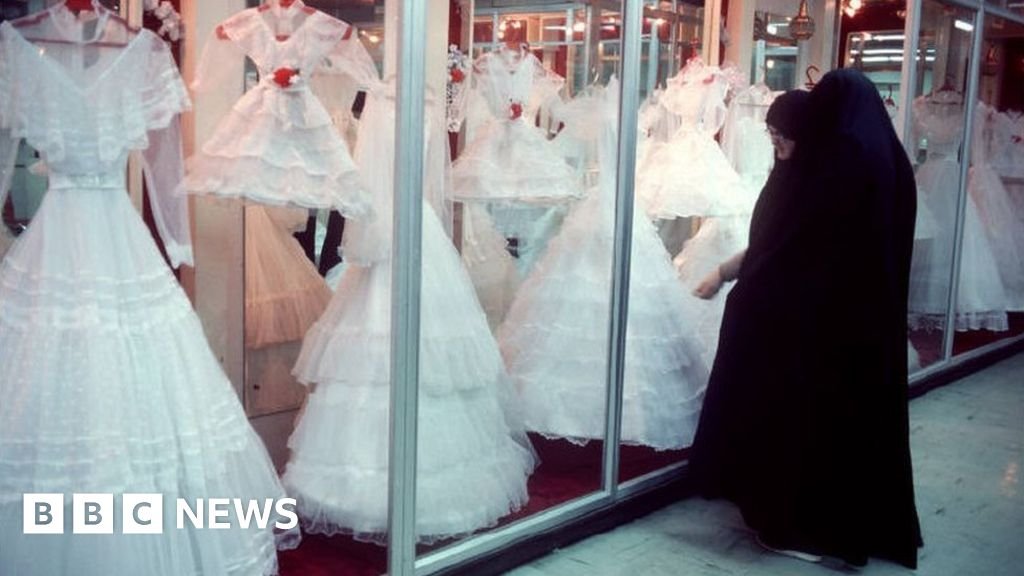
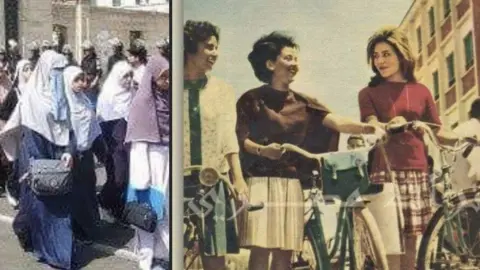
The underlying message is: “Look what has become of Arab societies during the past 50 years or so.”
To those who share such photos, it is the most visible sign of how their countries have regressed and abandoned the ideals of progress and modernity, exemplified by adopting a Western lifestyle
But for the conservative forces that have shaped the region in the past few decades, it is quite the opposite: it is a positive act of asserting Muslim identity in societies that had for long been colonised and had a Western lifestyle imposed upon them first by colonial rulers, and then by Westernised elites out of touch with local culture
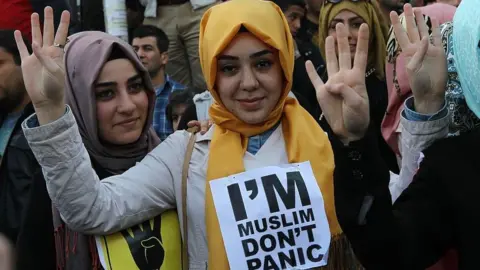
From Morocco to Egypt and beyond, the issue of “Islamic dress code”, in particular the veil or hijab, has been one of the most controversial piece of clothing
The whole of North Africa has powerful Islamist movements that either came to power or nearly did as in the case of Algeria in the early 1990s
Even after they were removed from power, their influence over societies has remained considerable
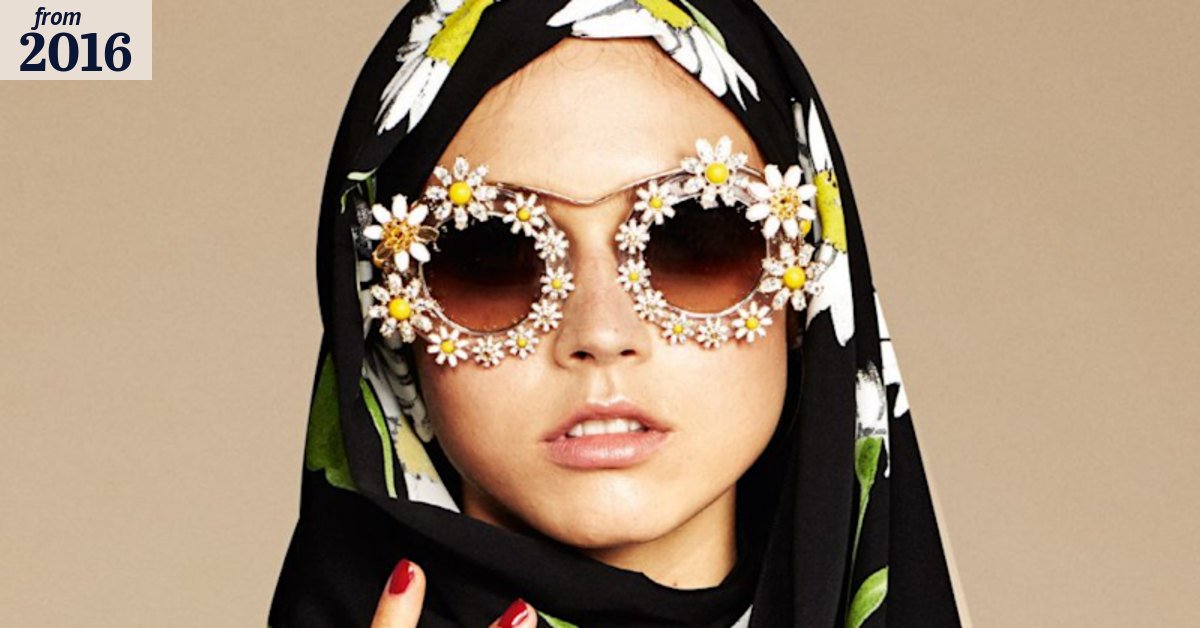
But that is beginning to change, according to many observers. And one of the most obvious ways to assess that is by looking at the most potent symbol of the impact of Islamism: the hijab
Getty Images
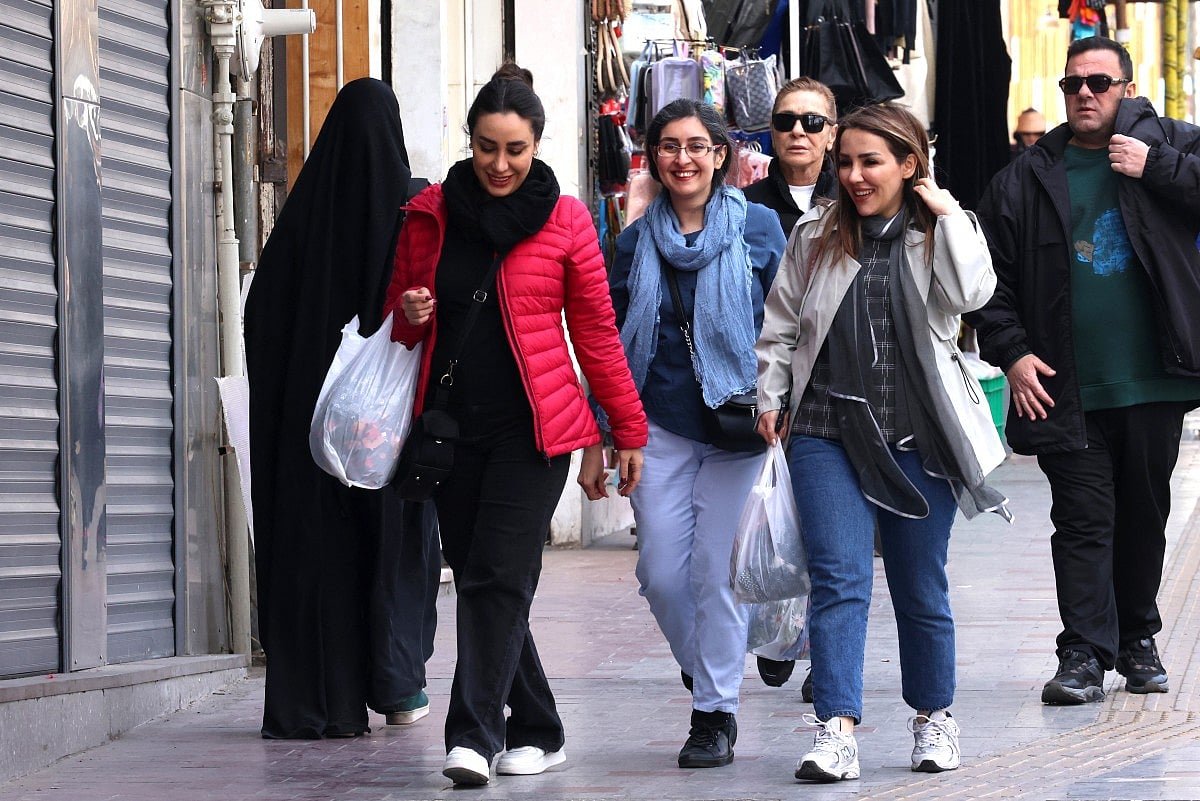
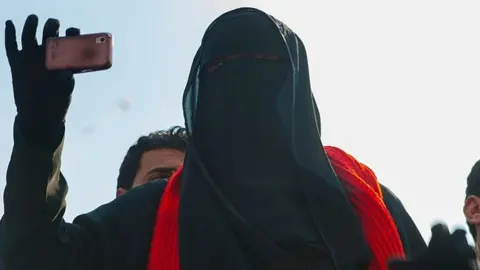
Many observers have noted that the past few years have seen a steady decline in the phenomenon in North Africa
In Moroccan news website Al-Yaoum 24, columnist Said El-Zaghouti recently wrote: “It’s not hard to notice that the extent to which the hijab was worn in our Arab world, and in particular in Morocco, has gone down relatively, and that retreat and decline is to a large extent due to the decline and ebb of what is known as the Islamic current.”
Young Moroccan women have spoken to local media about the social pressure, even harassment, they have to endure when they take off the hijab. But that has apparently not deterred them
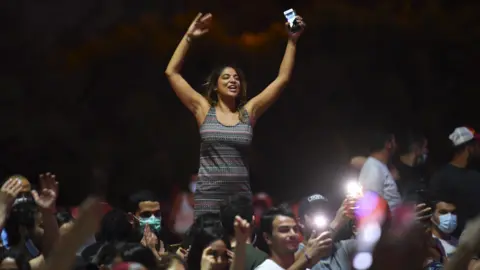
In Tunisia, where wearing the hijab was once an act of defiance because it was banned by successive autocratic regimes, it became popular for a brief period following the 2011 Arab Spring, but has started to fall off again recently
Writing in the Arabic Independent, Tunisian journalist Huda Al-Trabulis highlights the complex motives for the appearance of the hijab in the country and its subsequent decline
The hijab was once an act of resistance and opposition to secularism imposed from above during the rule of the post-independence autocrats, Habib Bourguiba and Zine al-Abidine Ben Ali
It then became popular in the short period after the revolution in 2011 that saw the rise to power of the Islamist Ennahda movement, to the extent that the veiled woman was promoted as the model to follow for the Tunisian public
But then it fell out of favour as successive Islamist-dominated parliaments failed to solve the country’s many problems and Tunisia plunged into a deep economic and political crisis
AFP
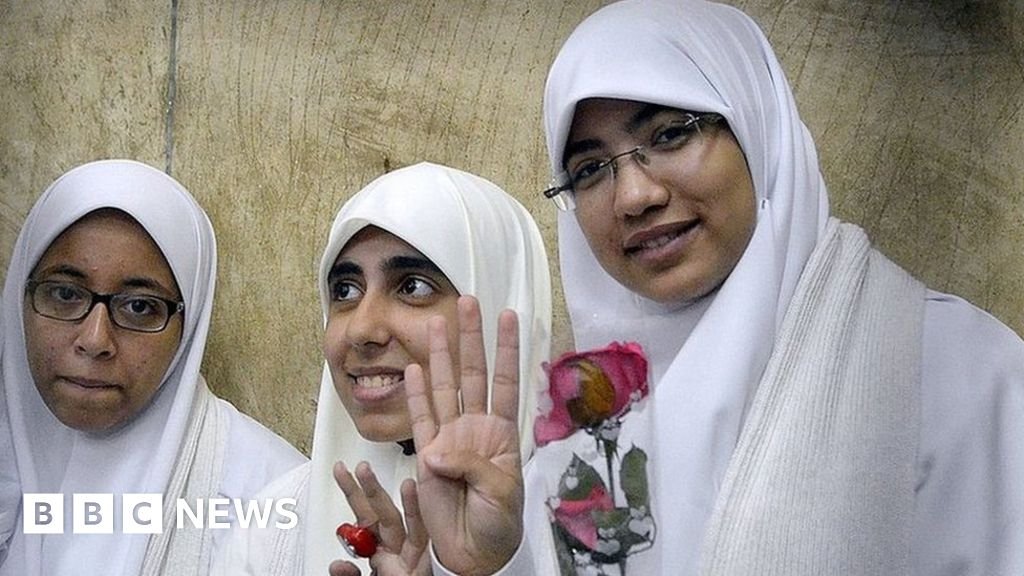
In Egypt too, arguably the birthplace of the hijab as we know it today, the appearance and relative decline is tied up with the political fortunes of the Muslim Brotherhood
Egyptian women began throwing off traditional face coverings nearly a century ago and by the mid-twentieth century the veil had almost completely disappeared
But the hijab made its first re-emergence in the mid-seventies when then-President Anwar Sadat gave a green light to the Muslim Brotherhood to operate on university campuses to fight off political rivals from the secular left who had developed considerable influence over society in the previous decades
The spread of the hijab continued almost unabated until 2013 when the Muslim Brotherhood President Mohammed Morsi was removed from power
Hostility to Islamist symbols – the hijab foremost amongst them – was palpable
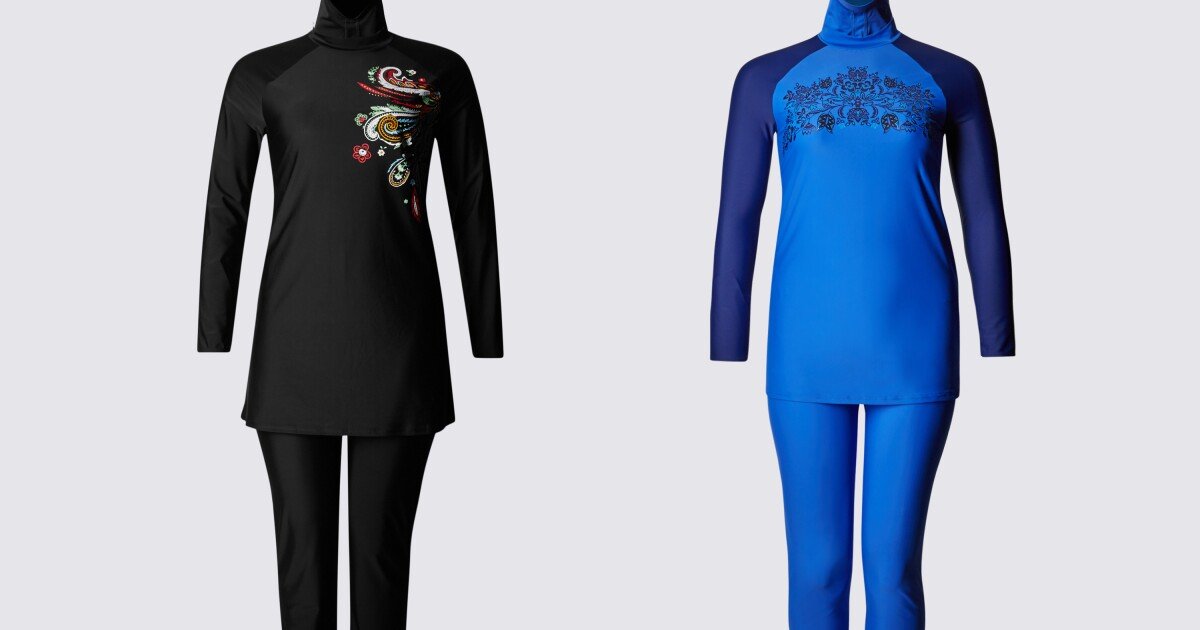
There were persistent reports of restaurants denying access to women wearing the hijab, or swimming pools refusing entry to women wearing the burkini, the supposedly Sharia-compliant swimsuit
Today there is palpable decline that is hard to quantify due to a lack of objective surveys. The evidence is largely anecdotal
Still, the hijab remains one of the country most divisive issues – a cultural and political fault-line not dissimilar to the one surrounding abortion in the US, with cultural and political rows breaking out at regular intervals on the matter
Getty Images
Most recently in Egypt reactions to the stabbing to death of a young university student in broad daylight by her suitor after she refused to marry him were as shocking as the crime itself
To everyone the crime was abhorrent and duly condemned. But as soon as it emerged that the victim was unveiled, reactions began to diversify
A famous tele-preacher urged women to cover their bodies properly to avoid meeting a similar fate. He actually said: “Cover your face with a basket.”
And when her university sought to pay tribute to her, it produced a poster of her with her photo apparently doctored so it appeared as though she was wearing the hijab
Both reactions triggered a barrage of angry responses from the secularised sectors of society
The young man has been sentenced to death by hanging. But a campaign has swung into action to defend the convicted murderer
No-one knows for sure who is behind it, but many suspect wealthy Islamists in exile have hired the highest paid lawyer in the country to defend the culprit in the appeal proceedings
An intervention by al-Azhar – the highest religious institution in Egypt – to calm tension has ironically poured more oil on the fire
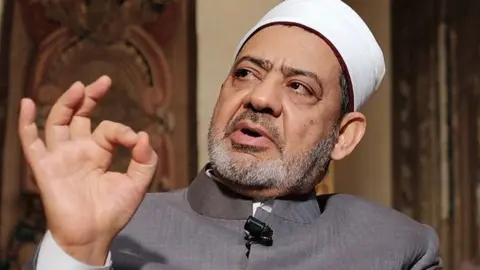
The Grand Imam of al-Azhar, Sheikh Ahmed al-Tayeb, has said that not wearing the hijab does not make the woman a renegade, but simply a woman who disobeyed God
Getty Images
The statement that was meant to assuage secular sectors of society enraged women’s rights and other secular groups even more
Once again, social media were full of impassioned pleas for the hijab as an inalienable part of the faith and equally vociferous condemnation of the cloth
Although support for the hijab appear to be waning in the region, especially among the young, the perception that it is inseparable from Muslim identity has become entrenched far and wide
So much so that whenever any government – especially in Europe – introduces restrictions on wearing it in public institutions, that is usually denounced as a war on Islam itself
Merely criticising the hijab in Western democracies has also become almost synonymous with “Islamophobia” or attacks on minority rights
But in Muslim-majority societies it is still regarded as part of a legitimate campaign for the liberation of women from stifling tradition
- Has a female prime minister changed Tunisia?
- Arabs believe economy is weak under democracy
- Democrats, despots and the fight for power
Egypt
Islamic veils
Tunisia
Morocco