
Blog
What are spicules? The K-beauty skincare technology everyone is talking about

HomeBeauty
What are spicules? The K-beauty skincare technology everyone is talking about

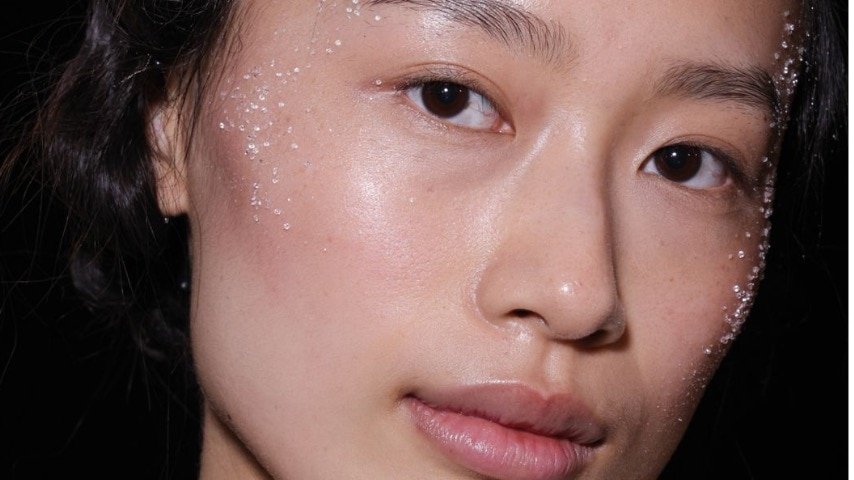
Few beauty movements have reshaped skincare quite like K-beauty. It has consistently stayed ahead of the curve, turning complex cosmetic science into products that feel accessible, desirable, and often years ahead of the rest of the world. Now, the latest innovation making its way from Korean beauty clinics and laboratories into skincare routines worldwide is spicule technology. Traditionally derived from marine or freshwater sponges, these are tiny, needle-like structures that create temporary pathways within the skin. Spicules have rapidly become one of the most discussed skincare launches of the year, promising to blur the line between topical skincare and treatment-inspired results.

MORE THAN EXFOLIANT
“When applied topically, they gently create microchannels that allow ingredients such as peptides, niacinamide, and hyaluronic acid to penetrate more effectively,” explains Dr Geetika Mittal, Medical Director and Founder of ISAAC Luxe
The easiest mistake to make is assuming spicules are simply another exfoliating trend. They are often compared to acids, scrubs, and even microneedling, but they don’t fit neatly into any of those categories. “Unlike chemical exfoliants, which work by dissolving the bonds between dead skin cells, spicules create a mechanical effect, loosening surface debris while helping active ingredients travel further into the skin,” says Dr Geetika Srivastava, Dermatologist and Founder, Influennz Clinic.
The result is a technology that doesn’t position itself as an ingredient hero, but as an ingredient enhancer. Rather than introducing a new active into a routine, spicules are designed to improve how existing actives perform

SKINCARE’S DELIVERY SYSTEM ERA
The rise of spicules also says something about today’s beauty consumer. Increasingly educated and results-driven, shoppers are looking for products that sit somewhere between traditional skincare and professional treatments
For years, skincare innovation revolved around discovering the next breakthrough molecule. Consumers learned the language of retinoids, peptides, ceramides, and vitamin C, while brands raced to formulate increasingly sophisticated ingredient cocktails. Today, the focus appears to be shifting
“There is growing awareness that even excellent ingredients are only as effective as their ability to reach the right layers of the skin,” says Dr Priyanka Sharma, Co-founder, Director, and Chief Dermatologist at V6 Clinics
That shift has fuelled growing interest in delivery technologies, from encapsulation systems and liposomes to nano-formulations and, now, spicules. Attention is increasingly turning from a formula’s composition to its efficacy once it comes into contact with the skin

HYPE MEETS SCIENCE
Yet as excitement around spicules continues to build, so does the tendency to compare them with professional microneedling. The resemblance is understandable: both approaches rely on controlled stimulation and both are often marketed as ways to encourage skin renewal
The similarities, however, have limits. “Micro-needling uses a physical device to puncture the skin and reach depths of up to two millimetres,” says Dr Mittal. “Spicules are massaged topically and work only at the surface.” While the science behind enhanced ingredient penetration is promising, long-term clinical data remains limited. “The concept isn’t entirely new, particularly within Korean beauty,” says Srivastava. “But robust, independent long-term studies are still lacking.”
Sensitive skin types, particularly those dealing with rosacea, eczema, active acne, or a compromised barrier, should approach the technology carefully and avoid pairing it immediately with strong exfoliating acids. “Peptides, retinoids and professional procedures have far more proven benefits and longer safety records,” says Mittal. “Spicules are an add-on to improve delivery, not a replacement.”
The bigger story, however, may not be spicules themselves. Their popularity signals a new chapter in skincare—one where innovation is no longer solely about discovering the next miracle ingredient, but about finding smarter ways to deliver the ingredients we already know work
This article originally appeared in Harper’s Bazaar India’s June-July 2026 print issue
Lead image: Getty Images and The Brand
Also read: The pharmacy skincare staples celebrity dermatologists swear by
Must Read
From retinol to tretinoin, a guide to the modern retinoid landscape
An expert guide to creatine for women
Inside the archives of India’s most fascinating textile collectors
Why Biarritz was the perfect setting for Matthieu Blazy’s first Chanel Cruise collection
The global artists dedicating their lives to Indian classical dance
Wellness retreats are exploring the art of longevity
Hear us out: Ear seeding is the wellness ritual your overstimulated mind actually needs
Could the ’30 Realistic’ challenge be the wellness trend you actually stick to?
The art and cultural events across India worth adding to your calendar
At Delhi’s protest, trust became an act of resistance