Blog
Banana botox to kitchen skincare: Why are these viral DIY beauty hacks trending again?

- News
- lifestyle
- beauty
- Banana botox to kitchen skincare: Why are these viral DIY beauty hacks trending again?
Banana botox to kitchen skincare: Why are these viral DIY beauty hacks trending again?
1/8
The viral beauty hacks are back!
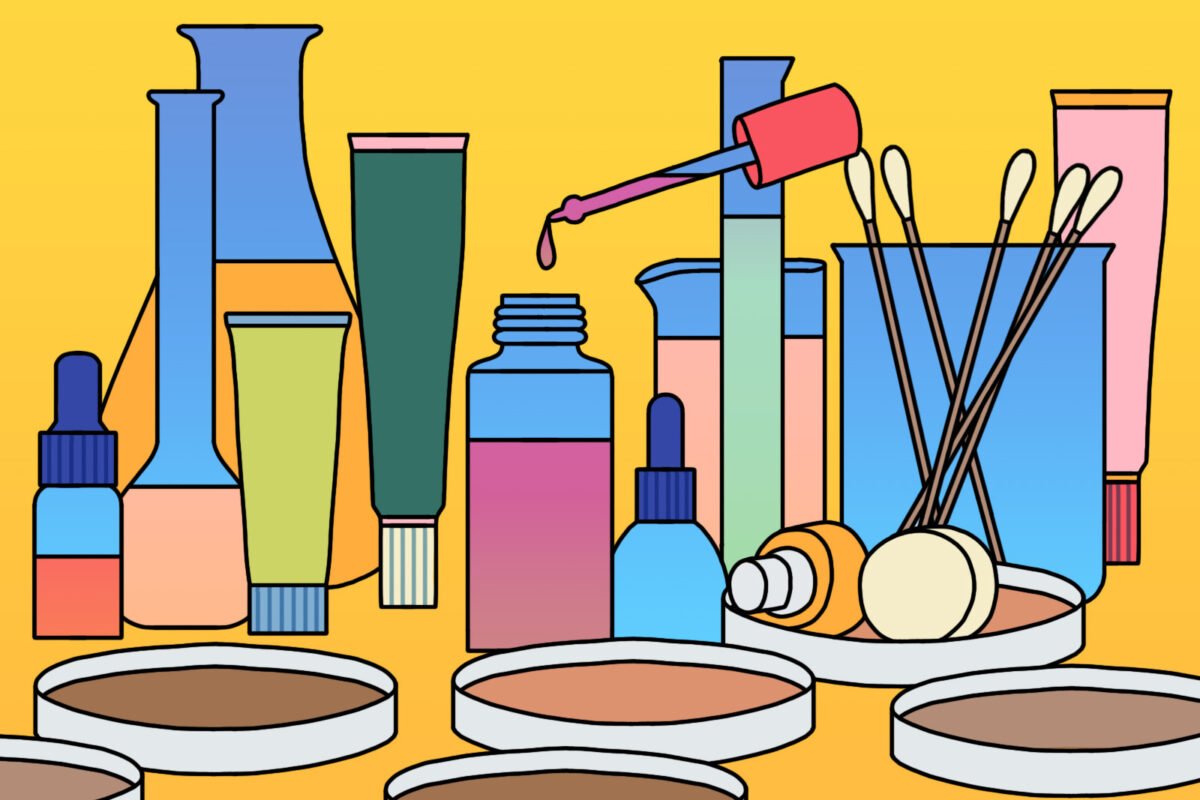
Every few months, skincare rediscovers its own kitchen. A banana mask goes viral under the name “Banana Botox,” a jar of curd gets rebranded as an overnight glow treatment, and comment sections fill up with people trading grandmother’s remedies like trade secrets. It’s tempting to write this off as a passing trend, but the frequency with which it keeps resurfacing tells a different story – one about what people actually want from skincare right now, and what the industry has quietly let them stop trusting. Diksha Bhardwaj, Co-Founder, The Orange Skincare shares insights.

2/8
A trend that was never really new
What’s being called a revival is, more accurately, a re-discovery. Besan and turmeric ubtans, aloe straight off the plant, curd masks before a wedding – these were never gone; they simply weren’t filmed for an audience before. What’s changed is the packaging: a 30-second video, a catchy name like “Banana Botox,” and a comment section full of people who are tired of being sold complexity. Running a skincare brand from the inside, I see this pull every week – customers don’t want fewer ingredients out of frugality alone; they want ingredients they can picture in their own kitchen, not decode from a label.
3/8
Why it’s resonating right now
Three forces are converging. The first is transparency fatigue – years of 15-syllable ingredient names have left people wanting something legible again, and “banana” is about as legible as it gets. The second is economics: routines have quietly ballooned into 8–10 step rituals that can cost thousands of rupees a month, and a remedy made from what’s already in the fridge feels like both relief and quiet protest against that price creep. The third, and the one I find most personal, is inherited trust. These aren’t hacks people are inventing from scratch – they’re memories. A mother’s home remedy carries a kind of authority no influencer or brand claim can manufacture, and that’s precisely what makes this trend so sticky.
4/8
Where the science actually holds up
It would be easy, and a little self-serving, for a skincare founder to dismiss all of this as pseudoscience. I won’t, because it isn’t fully true. Honey is a genuine humectant with mild antibacterial activity, which is why it earns a place in formulated products, not just folk remedies. Turmeric’s curcumin has documented anti-inflammatory effects. Oats calm and support the skin barrier, which is why colloidal oatmeal is a recognised skin protectant rather than a wellness myth. The instinct behind these hacks is often sound. What’s missing is standardisation – a spoon of honey varies batch to batch, season to season, in ways a formulated product is built specifically to control for.
5/8
Where the line gets crossed
The trouble isn’t the ingredients; it’s the promises stapled onto them. “Banana Botox” is the clearest example – a banana contains nothing that relaxes muscle activity or blocks nerve signals the way botulinum toxin does. At best, it offers a few hours of surface hydration from moisture plumping the skin. That’s a pleasant Sunday ritual, not a wrinkle treatment, and calling it Botox sets an expectation the ingredient can’t meet. I’d rather see these trends renamed for what they are – a hydrating mask, a soothing rinse, than dressed up in clinical language that quietly erodes trust the moment the results don’t show up.
6/8
The safety conversation nobody’s having loudly enough
This is the part I feel most strongly about, because I’ve seen the aftermath in customer messages more than once. Skin sits at a pH of roughly 4.5–5.5, and staples like lemon juice, baking soda, and vinegar sit well outside that range – used repeatedly, they can strip the skin’s protective barrier rather than nourish it. Lemon and turmeric are common sensitisers too: lemon is phototoxic and can leave pigmentation or burns behind when followed by sun exposure, which is a real risk in Indian climates. And a bowl of mashed banana has no preservative system, so it can harbour bacteria within hours, especially in our humidity. None of this means avoid the kitchen, it means respect it the way you’d respect any active ingredient.
(Image Credits: Pinterest)
7/8
What everyone should know
Treat kitchen ingredients as occasional, short-contact rituals – 10 to 15 minutes, rinsed off – rather than a daily routine. Patch test on the inner arm 24 hours before applying anything to your face. Never pair citrus or exfoliating ingredients with daytime sun exposure. And where you can, look for the same actives – honey, oats, turmeric – in a formulated, tested concentration, so you keep the benefit without carrying the guesswork of raw kitchen chemistry on your own skin.
8/8
The bigger picture
“I don’t think this trend is something the industry should be defensive about. If anything, it’s a gift: it tells us, plainly, what people actually want – ingredients they trust, at a cost they can live with, explained in language that doesn’t talk down to them,” adds Diksha. The job for brands and dermatologists now isn’t to mock the banana mask off social media. It’s to meet that same instinct with real formulation science, so curiosity doesn’t have to outrun safety to get there.
Follow Us On Social Media
Photostories
MORE FROM ETIMES
life & style
Baby NamesEarl SpencerBhumi PednekarStanford UniversityBuddhist Monks