
Blog
Beyond Operations: Why Fashion’s Next Sustainability Challenge Lies in the Value Chain – Global Fashion Agenda

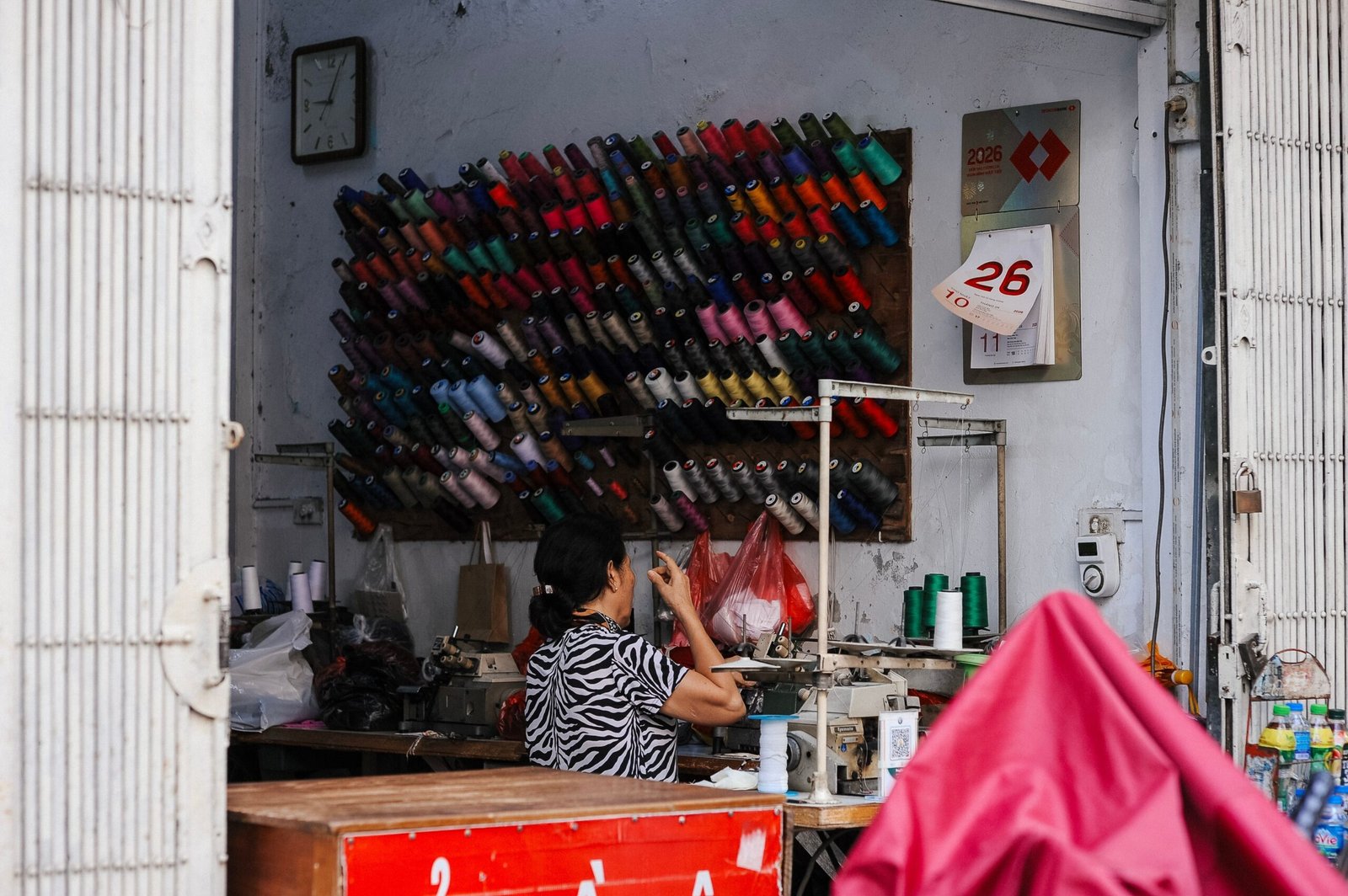
Fashion companies have spent years improving what happens within their own operations. From energy efficiency initiatives and waste reduction programmes to more sustainable facilities and business practices, many organisations have made meaningful progress in reducing their direct environmental impacts. Yet for much of the industry, the majority of environmental impacts occur far beyond company walls, embedded within supply chains, sourcing networks, logistics systems and partner ecosystems.
As sustainability expectations continue to rise, the industry’s next challenge is becoming increasingly clear: how do companies drive meaningful change across value chains they do not directly control?
This question sits at the heart of many of the conversations shaping fashion’s sustainability transition today. Whether the objective is reducing emissions, advancing circularity or protecting natural ecosystems, progress increasingly depends not only on the actions of individual organisations, but on their ability to influence and collaborate across complex networks of suppliers, partners and stakeholders.
The challenge is significant. Fashion supply chains span multiple geographies, involve thousands of actors and often operate with varying levels of visibility and control. At the same time, evolving regulations, investor expectations and reporting requirements are placing greater pressure on businesses to demonstrate measurable progress rather than long-term commitments alone. This shift reflects a broader evolution in how sustainability is being approached across the industry. Increasingly, sustainability is no longer viewed as a standalone function focused solely on compliance or operational efficiency. Instead, it is becoming embedded into sourcing decisions, supplier engagement, investment planning and long-term business strategy.
The importance of this transition is echoed throughout the Fashion CEO Agenda, which highlights collaboration, resource stewardship and long-term value creation as critical enablers of systemic change. As the industry works to address interconnected challenges ranging from climate change and resource scarcity to biodiversity loss, solutions increasingly require collective action that extends beyond organisational boundaries.
One example of this shift can be seen in Chalhoub Group’s Planet FWD platform, introduced as part of the Group’s Sustainability Report 2025. More than an environmental platform, Planet FWD provides the strategic framework through which Chalhoub Group is embedding climate action, circularity and nature into business decision-making and value chain engagement. It embodies the Group’s ambition to move beyond improving its own operations to help accelerate measurable environmental progress across the wider luxury ecosystem. Structured around climate, circularity and nature, the platform is designed around the understanding that meaningful environmental progress depends not only on improving direct operations, but also on engaging the wider systems and relationships that shape environmental performance.
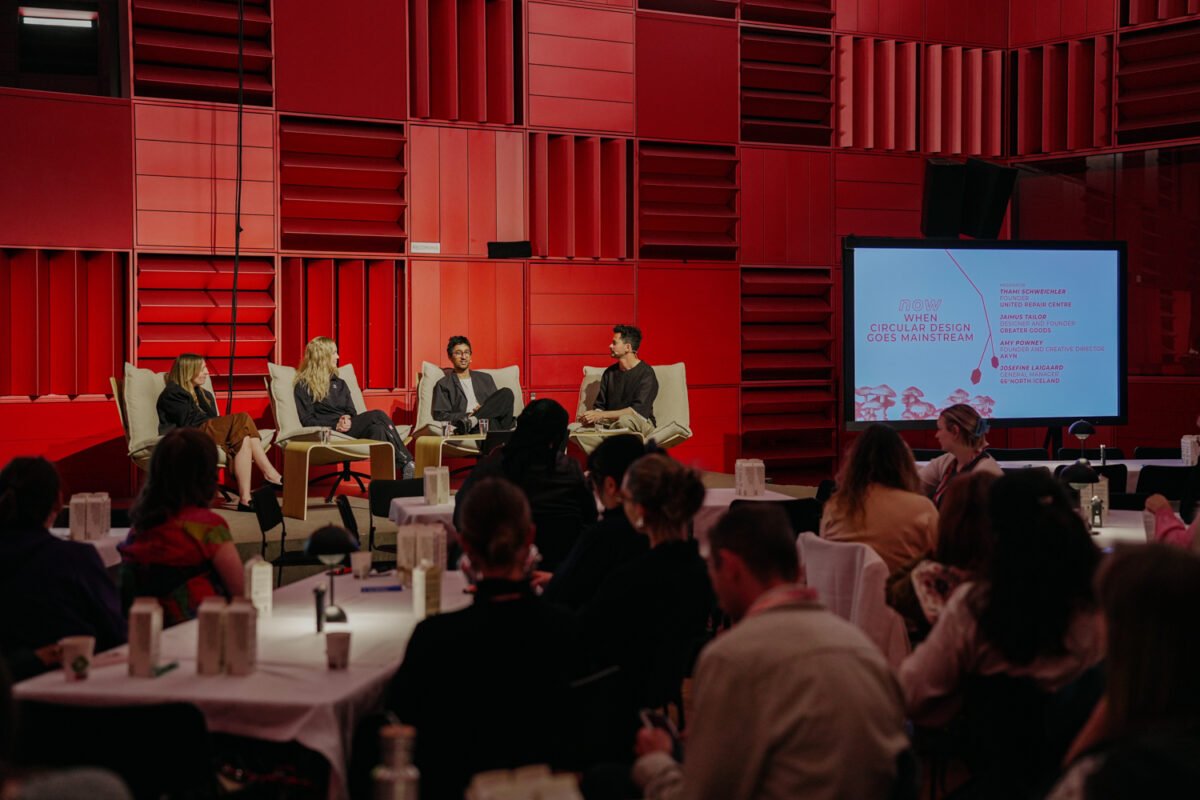
The Group’s partnership with Global Fashion Agenda, announced during Global Fashion Summit: Copenhagen Edition 2026, reinforces this ambition through a shared commitment to accelerating industry-wide progress. Speaking during the Summit, Patrick Chalhoub, Executive Chairman of Chalhoub Group, reflected on the importance of adaptability in navigating today’s increasingly complex business environment. “Resilience doesn’t mean defending yourself from change. It is the ability to reimagine the future with confidence, adapt with purpose, and transform uncertainty into an opportunity to build stronger organisations and a more responsible future.”
While shared in the context of leadership, the sentiment also reflects a broader shift taking place across fashion, where resilience increasingly depends on the ability to rethink systems, strengthen partnerships and respond to evolving environmental challenges
For businesses across fashion and luxury, this represents an important change in mindset. Many of the environmental impacts associated with products occur upstream in raw material production and manufacturing, or downstream through consumption and end-of-use systems. Addressing these impacts often requires collaboration across multiple organisations, markets and regulatory environments, making partnership and value-chain engagement increasingly important tools for driving progress.
As expectations continue to evolve, the industry’s next chapter will likely be defined not only by the commitments companies make, but by their ability to translate those commitments into action at scale. The organisations creating the greatest impact may ultimately be those that move beyond optimising their own operations and instead help mobilise change across the ecosystems they influence. As Chalhoub noted during the Summit, “You cannot build anything meaningful without a long-term vision. A business is not something we own; it is something we hold in trust. Our responsibility is to strengthen it today so it can continue creating value for the people, communities and generations that will shape its future.”
In an environment increasingly shaped by complexity and uncertainty, embedding sustainability into business strategy requires the patience to invest beyond immediate returns and the conviction to pursue lasting change
As fashion continues its transition towards a more resilient and responsible future, the question is no longer whether companies should act, but how effectively they can help shape the wider systems that determine their impact. Reflecting on the interconnected nature of these challenges during the Summit, Chalhoub noted that “We cannot be sustainable if the world around us is not. Sustainability is ultimately a shared responsibility. It is reflected not only in how we operate as individual businesses, but in the positive impact we help create across the communities, industries and generations we serve.”
Initiatives such as Planet FWD offer one example of how businesses are beginning to approach this challenge, recognising that meaningful environmental progress depends not only on what happens within their own operations, but across the value chains and ecosystems they are part of
Watch the full conversation from Global Fashion Summit: Copenhagen Edition 2026 below and learn more about Chalhoub Group’s approach to resilience, sustainability, and long-term value creation here
After the early 2020s domination of hyper specific trends and ‘aesthetics’, fashion appears to be experiencing trend fatigue, or at least that’s what the algorithm might be telling you
Across four sessions at this year’s Global Fashion Summit in Copenhagen, brands, manufacturers, recyclers, policymakers and solution providers sat down to tackle microplastic pollution, circular design, impact prioritisation, and more
Europe is rewriting the rules of fashion. The question now is whether this new system will actually work